
Engineered Turned Components for Keihanshin Precision Systems
Verified concentricity, micrometer-level thread pitches, and specialized plating configured to meet JIS B 0401 and ISO 2768-mH standards.
The Osaka & Kansai Precision Turned Ecosystem: Bridging Monodzukuri with Global Scale
The Kansai region, anchored by Osaka, represents one of the world's most concentrated centers of high-precision metalworking. Across clusters like Higashiosaka, Kadoma, and Sakai, the local legacy of Monodzukuri (craftsmanship excellence) has evolved into advanced Mechatronics, hydraulic heavy machinery (serving industry giants such as Kubota, Daikin, and Sumitomo Heavy Industries), and specialized micro-sensor instruments.
However, Osaka-based engineering and procurement teams increasingly face domestic supply bottlenecks: demographic transitions leading to the retirement of master machinists, extended lead times for custom Swiss-lathe batches, and soaring electricity and tooling costs. To maintain global price competitiveness while upholding strict Japanese Industrial Standards (JIS), Kansai OEMs are actively structuring dual-shore supply chains for precision turned parts.
Strategic Sourcing Insight for Osaka Buyers: Direct-to-factory Swiss-turning partnerships allow engineering firms to secure tight positional tolerances (<±0.005 mm) and verified concentricity without domestic capacity allocation delays, cutting unit procurement costs by 28% to 42%.
Osaka Precision Engineering Demands
Components deployed in Osaka's industrial and robotic sectors require rigorous geometric dimensioning and tolerancing (GD&T):
Technological Trajectories in High-Speed Precision Turning
How continuous-axis Swiss turning, integrated multi-spindle mill-turn centers, and automated optical metrology are redefining rotational component manufacturing globally.
7-Axis to 9-Axis Swiss Machining
Modern Swiss-type turning centers equipped with sub-spindles and driven live tooling enable single-clamping completion of intricate geometric features: radial cross-drilling, off-center milling, polygon turning, and back-end tapping.
Exotic & Refractory Alloy Turning
Global demand is migrating toward Titanium Grade 5 (Ti-6Al-4V), Inconel 718, SUS316L, and Oxygen-Free Copper (C10200). Proprietary high-pressure through-spindle coolant (up to 140 bar) breaks stringy chips and stabilizes thermal tool distortion.
In-Line Closed-Loop Metrology
Combining Renishaw high-speed touch probes with multi-angle Keyence optical comparators guarantees zero-defect flow. Tool-wear compensation algorithms automatically modify lathe offsets before parts drift beyond control limits.
| Machining Category | Typical Raw Materials | Achievable Diametric Tolerance | Max Part Dimensions | Standard Surface Finish | Local Osaka Application Vector |
|---|---|---|---|---|---|
| Swiss-Type Micro Turning | SUS304, SUS316L, Titanium Gr5, Brass C3604 | ±0.003 mm (0.00012 in) | Ø 0.5 mm to Ø 32 mm | Ra 0.2 µm – 0.4 µm | Endoscopic surgical tools, micro-sensor housings |
| Multi-Axis Mill-Turn Lathe | Alloy 6061-T6, 7075-T6, S45C, SCM440 | ±0.005 mm (0.00020 in) | Ø 10 mm to Ø 250 mm | Ra 0.4 µm – 0.8 µm | Industrial robotic joints, cycloidal gear flanges |
| High-Duty Hydraulic Turning | 12L14, 4140, Martensitic SUS420/440C | ±0.008 mm (0.00031 in) | Ø 15 mm to Ø 180 mm | Ra 0.4 µm (Honed) | Hydraulic solenoid spools, earthmoving valves |
| Optical Precision Turning | Al 6063, Polyoxymethylene (POM), Brass | ±0.005 mm (Concentricity <0.004) | Ø 5 mm to Ø 120 mm | Ra 0.2 µm (Anodized) | Telecentric lens barrels, machine vision fixtures |
Where Our Precision Turned Parts Power Osaka's Key Industries
From semiconductor fabrication equipment around Osaka Bay to automated assembly lines across Kadoma and Kyoto, our turned components deliver verified mechanical reliability.
Optoelectronic & Machine Vision Barrels
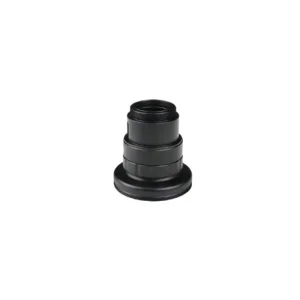
Osaka is a global powerhouse for industrial sensors, machine vision inspection, and optical lenses. Our turned aluminum and brass lens mounts maintain critical coaxial alignment between multi-element lenses. Black anodized with ultra-low optical reflectivity finishes.
Hydraulic & Pneumatic Solenoid Cores
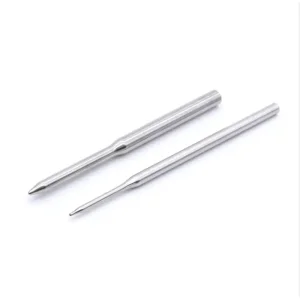
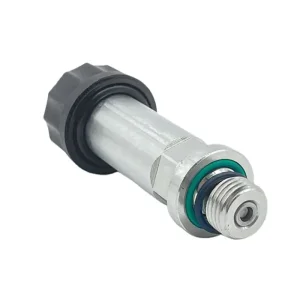
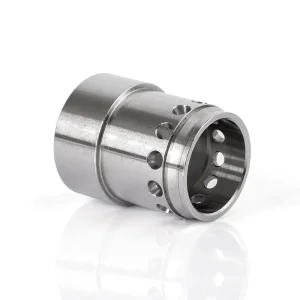
Serving construction equipment plants and industrial automation builders in Kansai. Precision-turned solenoid armatures, valve spools, and seat cages in low-carbon magnetic iron and stainless steels require micro-inch finishes to prevent dynamic fluid leakage.
Medical Implants & Bio-Instrumentation
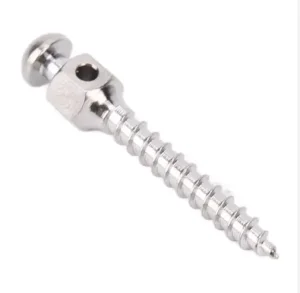
Kansai's biomedical research parks (Kobe Biomedical Innovation Cluster and Osaka University hubs) require micro-turned medical sleeves, titanium implant abutments, and orthopedic bone anchor screws produced under ISO 13485 compliant systems.
Direct Quote & DFM Protocol for Osaka Sourcing
When evaluating quotes from precision turned parts manufacturers, procurement managers and design engineers in Osaka evaluate three critical vectors:
Macro Engineering Solutions: The Next Decade of Precision Turned Manufacturing
As micro-electronic packaging, green hydrogen generation, and humanoid robotics accelerate across Japan and international supply chains, turned rotational parts face tighter geometric parameters than traditional lathes can guarantee.
Our ongoing facility roadmap integrates three foundational advancements:
1. Cryogenic Ultra-Hardened Machining: Utilizing liquid nitrogen through-tool cooling for nickel superalloys and hardened steels (>55 HRC), cutting thermal deformation to zero and eliminating secondary grinding processes.
2. Digital Twin Tool-Wear Monitoring: High-frequency spindle acoustic sensors paired with machine learning algorithms predict edge chipping before dimensional degradation occurs on production batches.
3. Carbon-Neutral Monodzukuri Alignment: Green anodizing processes and 100% recycling of brass and aluminum swarf to comply with Kansai corporate sustainability mandates.
Frequently Asked Questions: Precision Turned Parts Sourcing for Osaka
Clear answers on technical tolerances, surface chemistry, Japanese Industrial Standards (JIS) conformance, and quotation workflows.
How do your precision turning tolerances correspond to JIS standards?
How fast can an Osaka-based customer receive an official quotation and DFM feedback?
What surface finishing processes are provided for turned components?
Can you handle micro-diameter turning below 1.0 mm?
How is Intellectual Property (IP) protected for foreign OEM projects?
What logistics solutions are available for delivery into Osaka and Kansai?
Need an Immediate Engineering Review for Osaka Projects?
Upload your 2D prints and STEP models. Our senior machinists evaluate tooling access, runout stability, and batch cost optimization within 24 hours.
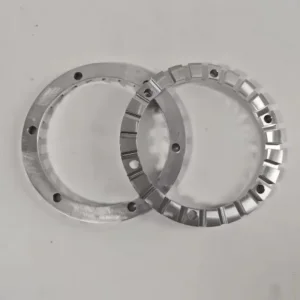
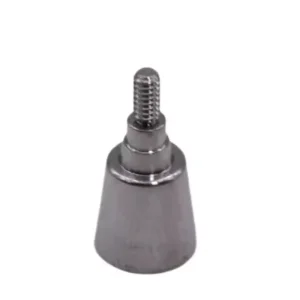
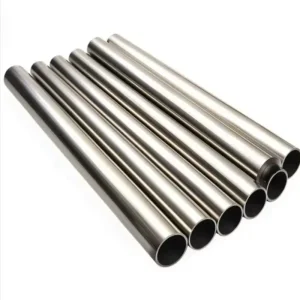
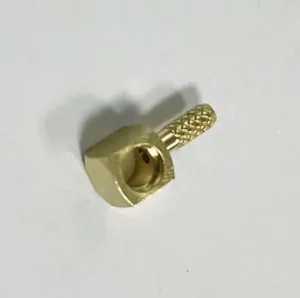
Specialized Turn-Milled Components for Kansai Industrial Programs
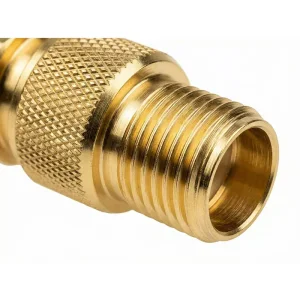
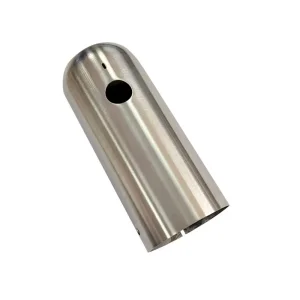
Explore our complete portfolio of precision CNC turned, knurled, and drilled components engineered for semiconductor, medical, fluidic, and robotic applications.
Accelerate Your Osaka Supply Chain with Direct Machining Scale
Whether you require a pilot prototype batch of 50 titanium turned components or high-volume recurring shipments of 500,000 brass connectors, our multi-axis Swiss lathe capacity delivers exact tolerances, validated material chemistry, and certified surface integrity without delay.
Join engineering and purchasing teams across Osaka, Sakai, Higashiosaka, and Kobe who rely on our accountable, direct-from-factory manufacturing ecosystem.
RFQ Package Checklist for Osaka Buyers
To expedite your price quote and engineering lead-time confirmation, include: