China Custom CNC Machined Foam Vacuum Gripper Plates for Robotic EOAT Manufacturer, Service

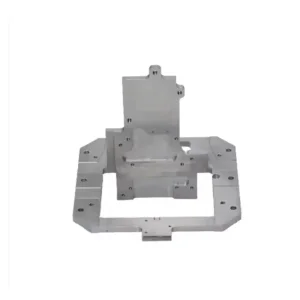
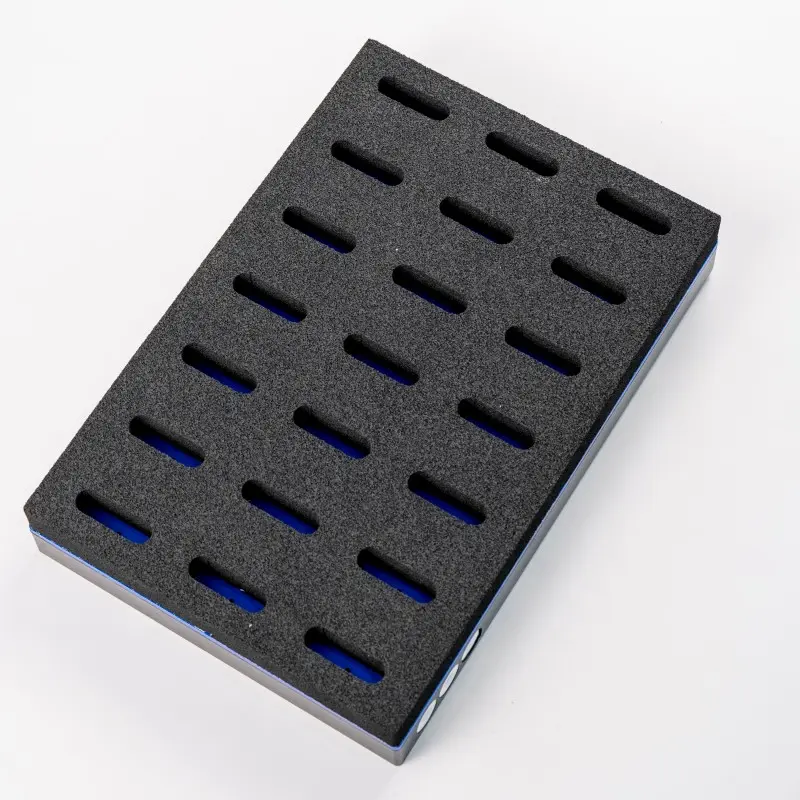
Build the gripper around your workpiece, not a standard pad size. Shenzhen Sunmy Hardware Co., Ltd. manufactures custom CNC-machined gripper bases and mounting plates from drawings or samples, with foam pads and mechanical pre-assembly supplied to an agreed bill of materials. Customize the footprint, suction pattern, port layout and robot interface for packaging, pick-and-place and palletizing projects. The foam-faced design shown is a reference, not a fixed catalog specification. Supply can cover a bare machined base or an assembled gripper plate; vacuum generators, valves, sensors and robot-side adapters are itemized separately.

Product Description

Product Overview

Build the gripper around your workpiece, not a standard pad size. Shenzhen Sunmy Hardware Co., Ltd. manufactures custom CNC-machined gripper bases and mounting plates from drawings or samples, with foam pads and mechanical pre-assembly supplied to an agreed bill of materials. Customize the footprint, suction pattern, port layout and robot interface for packaging, pick-and-place and palletizing projects. The foam-faced design shown is a reference, not a fixed catalog specification. Supply can cover a bare machined base or an assembled gripper plate; vacuum generators, valves, sensors and robot-side adapters are itemized separately.

CNC Machining & Manufacturing Process Insights

✓Base & Mounting Face Machining
We machine the base, pockets, seal interfaces and mounting datums to the approved drawing. Material, stock form and machining route follow the geometry and quantity, with setup choices focused on the required fits and repeat-order cost.
✓Vacuum Passages & Port Preparation
We machine, deburr and clean the specified passages and port interfaces. Channel routing, suction zones and optional restrictors or check valves are reviewed against the vacuum-source flow and expected workpiece coverage before the design is released.
✓Anodizing & Functional Masking
Choose Type II anodizing or Type III hardcoat for aluminum components, with coating thickness, color and masking defined separately. Threaded ports, locating fits and seal faces are reviewed before finishing so inspection follows the specified finished dimensions.
✓Foam Cutting & Bonding
We prepare pads by CNC knife cutting or die cutting to suit the design and batch. Foam grade, open- or closed-cell structure, compression behavior and adhesive are selected together, with permeability matched to the workpiece and available vacuum flow.
✓Mounting & Locating Features
We match mounting holes, pilot features and optional dowel locations to the robot or adapter drawing. Locating pins and shoulder screws are included when specified; final tool-center-point setup remains part of robot integration.

Technical Specifications

Parameter Specification Basis / Options Customization Scope
Main Manifold Material 6061-T6 or 7075-T6 aluminum; grade and stock form per drawing POM, 304/316 stainless steel or brass evaluated for the application
Sealing Foam Material EPDM, NBR or silicone grades selected for contact and vacuum service Thickness (e.g. 10-25 mm), density, permeability, adhesive and cut pattern
Suction Surface Array Reference face: 7 x 3 elongated foam openings (21 slots) Opening size, pitch and zones; restrictors or valves only when specified
Machining Tolerances Reference targets: ±0.01 to ±0.05 mm on specified features, not an all-over tolerance Tighter requests, including ±0.005 mm, reviewed individually; datums and gauging agreed
Vacuum Port Interfaces G 1/8, G 1/4 or G 3/8 (BSPP); NPT and metric specified separately Port position, size, sealing method and fittings matched to the mating connection
Mounting / Alignment Mounting-hole pattern and optional locating features to mating drawing Specified ISO 9409-1 flange or custom adapter; pilot, holes, threads and clearance reviewed
Surface Treatment Type II anodizing or Type III hardcoat, specified separately for aluminum Color, thickness, masking, bead blasting, electroless nickel or identification markings
Operating Temperature Defined by foam, adhesive, seals and the complete duty cycle State continuous/peak temperature; higher-temperature grades need assembly review
Vacuum / Holding Force Based on the specified vacuum source, effective contact area and workpiece Validate leakage, available flow, orientation, acceleration and required safety margin

Key Features & Industrial Advantages

★Workpiece-Specific Contact Layout
Adapt the pad outline and openings to the intended contact area rather than force the workpiece onto a fixed pattern. Cartons, timber, sheet metal and molded parts are evaluated for porosity, surface variation and partial coverage.
★Drawing-to-Part Customization
Base thickness, mounting pattern, port locations and foam geometry are not limited to the reference design. Provide the mating drawing and expected part variants so shared interfaces and replaceable features can be reviewed before manufacture.
★Mass & Interface Review
Review base mass, mounting stiffness and center of gravity before committing to the footprint and thickness. We manufacture the agreed geometry and locating interfaces; the integrator validates payload and cycle time in the complete cell.
★Planned Foam Replacement
Order spare pads to the same approved cut pattern and adhesive specification as the production gripper. Review access and surface preparation during prototyping so pad replacement becomes a defined maintenance task, not an improvised repair.
★Defined Supply & Inspection Scope
Receive one quotation with machining, foam, hardware and assembly clearly identified, whether purchased separately or as a kit. Inspection follows the agreed critical features and tests, with the contact face and ports protected for shipment.

Technical FAQ for Overseas Buyers

Q: What files and application details are needed for a custom quote?
A: Send STEP/IGES models, dimensioned PDF/DWG drawings, quantities and the robot or adapter interface. Include workpiece dimensions, weight, surface condition, covered area, orientation and acceleration. For porous parts, provide representative samples and vacuum‑source flow data at the intended operating vacuum. Specify G/BSPP, NPT or metric threads separately and identify which foam, fittings and controls belong in our supply scope.
Q: Can we start with one prototype, and what lead time should we plan for?
A: One‑piece prototypes can be quoted for fit and application trials. Allow a reference 5‑8 working days for CNC samples and 15‑22 working days for production, with the final schedule confirmed after drawing approval, material availability, foam sourcing, finishing and testing are reviewed. Repeat batches and spare pads can be quoted separately; the reference footprint and opening pattern do not limit customization.
Q: How are dimensions, manifold sealing and gripping performance verified?
A: Agree the inspection plan before production: critical dimensions, CMM measurements where appropriate and gauges for the specified thread system. Leak testing uses a defined sealed test configuration, vacuum level, stabilization time, hold time and acceptance limit. Manifold leak acceptance is separate from holding trials on actual workpieces and cell safety validation. First article inspection (FAI) reports and traceable material documents can be quoted; EN 10204 3.1 availability is confirmed before material purchase.
Q: What surface finish and anodizing options are supported for export orders?
A: Standard production offers Type II anodizing (clear or color) and Type III hardcoat for enhanced wear resistance. Critical surfaces, mounting datums, and threaded ports can be functionally masked before surface treatments to ensure precise tolerances are maintained according to drawings.
Q: Can replacement sealing foam pads be ordered independently later?
A: Yes, replacement foam pads are cut using the approved digital pattern and adhesive specifications. Spare pads can be quoted and shipped alongside the initial gripper assembly or ordered as scheduled maintenance consumables for future tool servicing.
Q: How do you handle international packaging and shipping protection?
A: All machined faces, seal surfaces, and vacuum ports are degreased, protected, and wrapped against corrosion and impacts. Assemblies are packed in custom foam-lined cartons or wooden crates suitable for global air and ocean freight.

Other products

Get a Fast, Technical Quote & Free DFM Review

Don't let tolerance stack-up delay your product launch. Submit your project details, and our engineering team will evaluate your design for manufacturability before the first cut.
Related Products