Precision Engineering Portfolio
High-Precision Machined Tooling & Mold Components
Explore precision-manufactured metal inserts, structural tooling housings, and custom mechanical sub-assemblies built to tolerances up to ±0.005 mm.
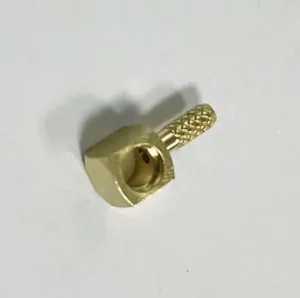
High-Quality Custom CNC Machining Brass Insert Connector
View Product Specifications →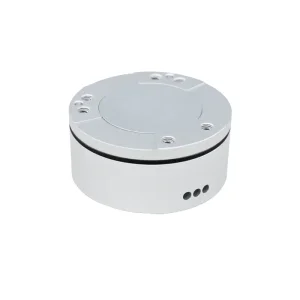
China Custom 6-Axis Force/Torque Sensor Housings
View Product Specifications →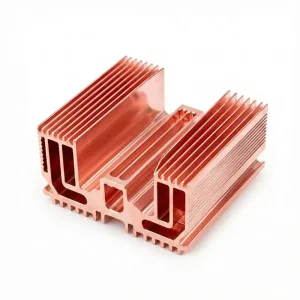
ODM High-Performance Thermal Dissipation Copper Heatsink
View Product Specifications →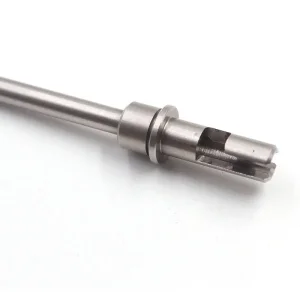
OEM Precision CNC Turned Stainless Steel Stepped Shaft
View Product Specifications →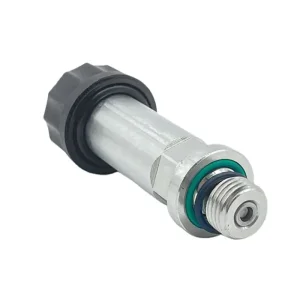
Custom Precision Hydraulic Solenoid Valve Core Components
View Product Specifications →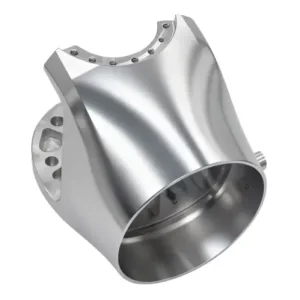
ODM High-Precision 5-Axis Robot Joint & Housing Parts
View Product Specifications →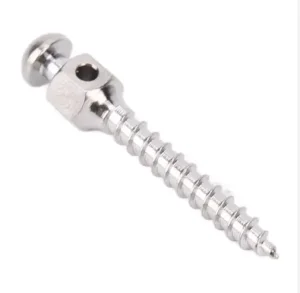
China Precision Titanium Orthodontic Micro Implant Screws
View Product Specifications →
Technical Whitepaper Depth
Engineering Architecture of Custom Plastic Mold Design
A rigorous examination of design-for-manufacturability (DFM), thermodynamic flow behaviors, and mechanical longevity in high-volume export tooling.
±0.005mm
CNC Machining & EDM Tooling Tolerance
1,000,000+
SPI Class 101 Mold Shot Life Cycle
24h
Comprehensive DFM & Moldflow Turnaround
100%
CMM Coordinate & Optical Metrology Sign-Off
Computational Rheology and Thermal Equilibrium in Mold Design
Modern injection mold design is no longer an empirical art form; it is an exact discipline governed by non-Newtonian fluid mechanics, thermodynamic equilibrium, and micro-mechanical kinematic precision. As an authoritative supplier and exporter of custom plastic molds, our engineering approach begins at the molecular level, examining resin morphology, shear-thinning characteristics, and volumetric shrinkage curves before raw steel is loaded onto CNC beds.
Every mold tool design undergoes thorough Design for Manufacturability (DFM) and high-resolution Moldflow FEA Simulation. We evaluate non-uniform wall sections to mitigate sink marks, optimize gating locations to prevent air traps and conspicuous weld lines, and mathematically balance runner networks to ensure synchronized cavity filling pressures across multi-cavity architectures.
- Kinematic Parting Line Integrity: Optimized parting surfaces eliminate micro-mismatch, flash risks, and mechanical wear over high duty cycles.
- Thermodynamic Circuit Profiling: Turbulent flow cooling channels (Reynolds Number > 10,000) deliver uniform heat extraction and suppress differential warpage.
- Balanced Ejection Mechanics: Dynamic ejection arrays featuring hardened ejector pins, sleeve ejectors, and stripper rings engineered to minimize localized stress concentration.
Tooling Steel Selection Matrix
Tooling longevity hinges upon metallurgical integrity. Selecting the correct steel alloy prevents premature surface pitting, corrosion from outgassing engineering polymers, and dimensional creep over hundreds of thousands of production shots:
| Steel Grade | Hardness | Optimal Use Case |
|---|---|---|
| S136 / ESR | HRC 48-52 | Medical, optical lenses, corrosive PVC/POM |
| H13 / 1.2344 | HRC 46-50 | Abrasive glass-filled nylon (PA-GF), high thermal cycles |
| NAK80 / P21 | HRC 38-42 | High-luster consumer electronics, pre-hardened mirror finish |
| 718H / P20+Ni | HRC 32-36 | Large automotive interior trim, structural panels |
Supply Chain Excellence
Why Tier-1 OEMs Source Injection Tooling from China
The convergence of specialized industrial clusters, vertically integrated production lines, and rapid toolmaking responsiveness generates unmatched Total Cost of Ownership (TCO) advantages.
Greater Bay Area Tooling Corridor
Situated within the premier advanced manufacturing corridor of Shenzhen and Dongguan, our production ecosystem benefits from ultra-concentrated supply chains: specialty alloy stockists, precision wire EDM service bureaus, mold base manufacturers (LKM standard), and vacuum heat-treatment furnaces operate within a 30-minute radius. This spatial concentration eliminates intermediate logistical latency.
Advanced High-Speed In-House Machining
We deploy high-speed 5-axis CNC machining centers (Makino, GF Machining Solutions) operating up to 40,000 RPM, paired with Sodick wire-cut electrical discharge machines (EDM) and mirror-spark EDM systems. This technological infrastructure permits us to mill intricate electrode geometries, execute ultra-deep rib cuts without thermal taper, and achieve surface finishes up to SPI-A1 diamond polish directly inside the tool cavity.
Aggressive Lead Time Compression
Conventional North American or Western European mold build cycles typically require 12 to 18 weeks. By operating dynamic shift schedules, continuous 24/7 robotic electrode changers, and immediate in-house mold trial presses (ranging from 50 to 1,200 metric tons clamping force), we deliver first-shot (T1) functional injection samples within 20 to 35 business days from final 3D CAD approval.
Quantifiable Total Cost of Ownership (TCO)
Export clients achieve 35% to 55% direct capital expenditure reductions on tooling programs without sacrificing European SPI/DIN standards. By utilizing globally accessible metric standard mold components (DME, Hasco, Misumi, Meusburger, and Yudo Hot Runners), replacement components and wear inserts can be serviced locally anywhere in North America or Europe without reliance on proprietary overseas stock.
Enterprise Procurement Demands
Meeting the Sourcing Criteria of Multinationals
Global procurement directors and supply chain managers require robust risk mitigation frameworks, transparent validation milestones, and documented traceability across mission-critical sectors.
Strict Verification & Validation Protocol
To qualify as a tier-1 tooling supplier for Western OEMs, tooling validation follows an uncompromising, stage-gated review workflow:
- Design Freeze Gate (DFG): 2D/3D part geometry reconciliation, gate vestige sizing, parting line freeze, and draft qualification sign-off.
- Steel Metrology Sign-Off: Ultrasonic non-destructive flaw detection of forged billets, heat treatment hardness certifications, and CMM core/cavity mapping.
- T1 Mold Sampling & Process Window: Comprehensive scientific molding study establishing optimal injection pressure, fill time, viscosity curve, and cooling time.
- Full Dimensional FAI & CPK: 100% First Article Inspection report on critical-to-quality (CTQ) dimensions; CPK/PPK > 1.67 statistical capability analysis.
Sector-Specific Sourcing Standards
Procurement teams evaluate tooling vendors against deep domain competencies rather than generic capacity:
| Industrial Sector | Mandatory Compliance | Tooling Engineering Focus |
|---|---|---|
| Medical Devices | ISO 13485, Class 8 Cleanroom | S136 stainless steel, oil-free electric ejection, zero flash |
| Automotive OEM | IATF 16949, PPAP Level 3 | Complex lifters, multi-drop hot runners, sequential valve gates |
| Consumer Tech | RoHS / REACH, ISO 9001 | Thin-wall injection (0.6mm), high-gloss SPI-A1 polish, dual-shot 2K |
| Industrial IoT | UL 94V-0, IP67 Sealing | Overmolded silicone/TPE seals, threaded brass insert retaining |
Future Horizons
Emerging Technologies Transforming Plastic Mold Engineering
From additive manufacturing integration to real-time IoT in-cavity sensory networks, discover how advanced innovations enhance mold productivity and part precision.
DMLS Conformal Cooling Channels
By employing Direct Metal Laser Sintering (DMLS) 3D metal printing using 1.2709 maraging steel, we fabricate internal cooling channels that follow the exact contours of complex core and cavity geometries. This achieves 20% to 45% cycle time reductions while virtually eliminating differential thermal stresses that cause structural part warping.
In-Cavity Sensor Arrays & IoT
We integrate miniature piezoelectric cavity pressure transducers and infrared melt temperature sensors (Kistler, Priamus) directly into critical tool locations. This allows real-time dynamic valve-gate control, automated rejection of non-conforming shots, and precise scientific process feedback during unattended high-speed production runs.
Post-Consumer Recycled & Bio-Resins
As sustainability regulations intensify worldwide, molds must accommodate non-homogeneous Post-Consumer Recycled (PCR) plastics and bio-based resins (PLA, PHA). We engineer adaptable venting channels, wear-resistant PVD coatings (such as Titanium Nitride and Diamond-Like Carbon), and broader thermal processing windows to handle fluctuating resin batches.
Application Engineering
Diverse Industrial Application Scenarios
Specialized plastic mold design requires dedicated tooling architectures tailored to functional performance and volume economics across industries.
Multi-Shot 2K / 3K Overmolding
Engineered for ergonomic tools, automotive steering elements, and watertight electronic enclosures. Features rotary platen, core-back, or robotic transfer tooling mechanisms that chemically bond structural rigid polymers (PC, ABS, PA) with soft elastomers (TPU, TPE, Liquid Silicone Rubber) in a single unified molding cycle.
Unscrewing Molds for Precision Threads
Designed for packaging closures, diagnostic laboratory consumables, and hydraulic couplings. Our mechanical systems incorporate synchronized internal hydraulic rack-and-pinion or electric servo-driven gear assemblies that rotate threaded cores while the tool opens, ensuring zero strip damage to continuous pitch profiles.
Optical-Grade & Micro-Molding Tooling
Utilized for LED light guides, automotive HUD collimator lenses, and micro-fluidic medical lab-on-a-chip assemblies. Built using specialized vacuum-remelted ESR steels machined on ultra-precision diamond lathes to achieve surface roughness below Ra 0.012 μm without hand polishing, preventing light distortion.
Trust & Legal Certainty
Bilingual Legal Frameworks & Enforceable IP Defense
For international corporations, protecting proprietary intellectual property (IP), proprietary product architecture, and trade secrets is an essential prerequisite when entering overseas manufacturing agreements. We recognize that trust requires formal, legally enforceable protections.
Prior to receiving proprietary STEP, IGES, or DXF design packages, we execute customized Non-Disclosure, Non-Use, and Non-Circumvention (NNN) Agreements governed by internationally recognized legal jurisdictions, enforceable under both Chinese Civil Code and international trade frameworks.
- Restricted Access CAD Repositories: Client CAD data resides on air-gapped, encrypted internal servers accessible solely by authorized project leads.
- ISPM 15 Sea & Air Export Crating: Tooling crates are constructed with fumigated hardwood, interior vapor-corrosion-inhibitor (VCI) vacuum wraps, and tamper-evident locking seals.
- Complete Documentation Dossier: Every exported tool ships accompanied by complete 2D tool assembly blueprints, detailed 3D electrode models, steel mill certificates, heat treat charts, and wear component spare lists.
Global Engineering Liaison & On-Site Support
Communication friction is eliminated through our dedicated team of English-speaking toolmakers and project engineers. We bridge geographical and time zone divides with modern, responsive collaboration protocols:
Video Audits
Live high-definition video feeds for T1 mold sampling and trial dry runs.
Local Partners
Network of toolmaker partners in Europe and North America for rapid local tool maintenance.
24h Response
Guaranteed engineering feedback on engineering change orders (ECO) within 24 hours.
Technical Clarifications
Frequently Asked Questions by Global Sourcing Engineers
In-depth, direct answers addressing mold longevity, quality certifications, commercial terms, and export logistics.
What standard mold classification systems do you manufacture to for export projects?
We engineer tooling precisely aligned with North American SPI (Society of the Plastics Industry) classifications and European DIN standards. We specialize in SPI Class 101 (rated for 1,000,000+ cycles, incorporating certified through-hardened steels ≥ HRC 48, guided ejection, temperature-controlled cooling passages, and plated parting surfaces) and SPI Class 102 (rated for up to 1,000,000 cycles, utilizing high-grade pre-hardened steels such as 718H or NAK80). For bridge prototyping or moderate run volumes, we design cost-effective SPI Class 103 and 104 tools.
How do you guarantee that exported tools can be easily serviced and maintained in Western facilities?
All export tooling is constructed using standard metric or imperial interchangeable mold bases and standard catalog components from premier global manufacturers (such as DME, HASCO, MISUMI, MEUSBURGER, or PCS). Guide pins, ejector pins, bushings, water fittings, and hot runner nozzles can be ordered directly from local suppliers in the US, Germany, Mexico, or elsewhere, eliminating the need to wait for replacement items from China.
What metrology and validation documentation accompanies the initial T1 sample shipment?
Along with first article plastic parts (typically 5 to 10 shot samples per cavity), we provide: a full First Article Inspection (FAI) Report measured using automated Zeiss CMM and optical multi-sensor systems across all drawing callouts; a formal Injection Molding Parameter Log (melt temp, hydraulic/cavity pressures, holding time, cycle time); raw material resin certificates (lot traceable); and a detailed high-speed video recording of the mold running inside the press during continuous automatic cycle testing.
How are mold trial alterations (ECOs) handled if part revisions occur during the build cycle?
Engineering Change Orders (ECOs) are managed through a structured engineering protocol. Upon receipt of new CAD revisions, our tooling engineering department performs a rapid 3D overlay comparison to identify steel-safe zones versus areas requiring welding, insert replacement, or CNC re-machining. We submit an itemized ECO impact statement (detailing cost variance, if any, and calendar schedule impact) within 24 hours to keep client project roadmaps completely on track.
What measures are taken to prevent tool oxidation and physical damage during international sea shipping?
Prior to packaging, cooling circuits are purged with compressed dry air to remove all moisture. Internal cavity, core, and slide surfaces are coated with a specialized high-adhesion anti-rust preservative wax. The entire mold assembly is wrapped in heavy-gauge VCI (Vapor Corrosion Inhibitor) plastic film, desiccants are inserted, and the mold is vacuum-sealed before placement into solid, fumigated plywood crates compliant with international ISPM 15 export shipping standards.
Complementary Custom Production
Integrated Machining, Thermal & Precision Components
In addition to complete plastic injection tooling design, our facilities deliver specialized CNC turned, milled, and electrical contact hardware to complete your assembly bills of materials.
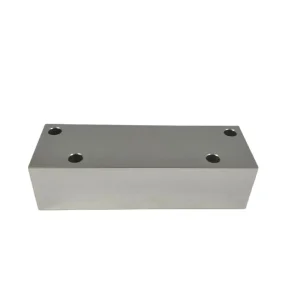
ODM Custom CNC Machined Aluminum Vacuum Manifold Block
View Product Specifications →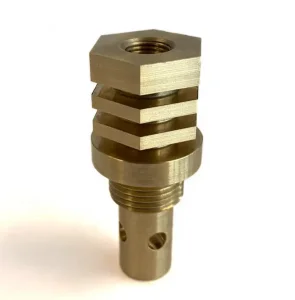
China Custom Precision CNC Machined Brass Cooling Block
View Product Specifications →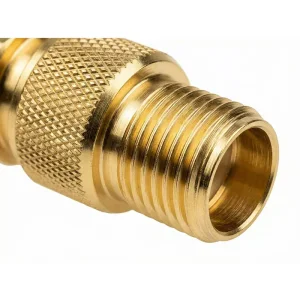
High-Quality Precision Knurled Brass Threaded Connector
View Product Specifications →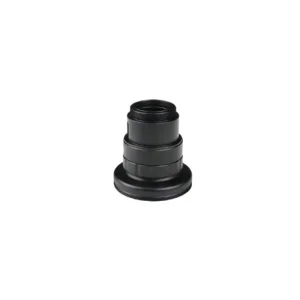
OEM Precision Turned Black Anodized Aluminum Lens Barrel
View Product Specifications →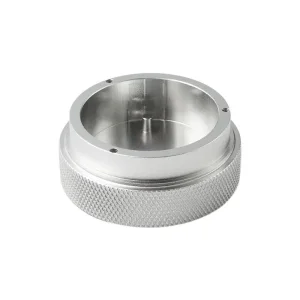
Premium Custom CNC Machined Aluminum Control Knobs
View Product Specifications →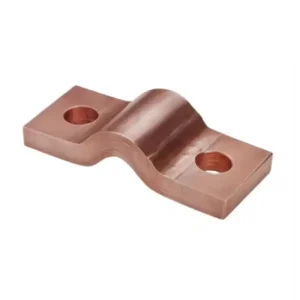
Custom Flexible Laminated Copper Busbar for Battery Systems
View Product Specifications →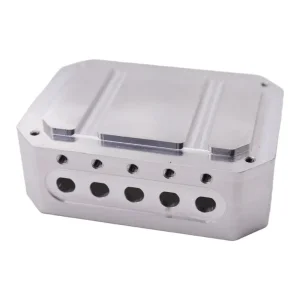
China CNC Machined Aluminum Enclosure for RF Modules
View Product Specifications →