
Precision Engineered Assemblies & Tooling Products (Part I)
Direct from Shenzhen’s integrated manufacturing lines: functional SLA master models, high-strength titanium turnings, medical-grade sleeves, and high-frequency acoustic assemblies certified for overseas original equipment manufacturers (OEMs).
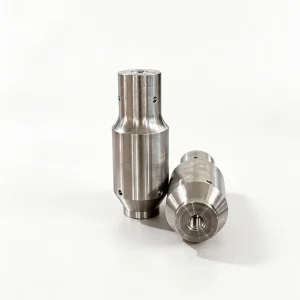
ODM Custom Titanium Ultrasonic Booster Manufacturers, Factory
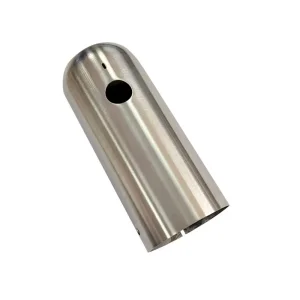
China Custom Precision CNC Turned Medical Sleeve Bushing Suppliers, Factory
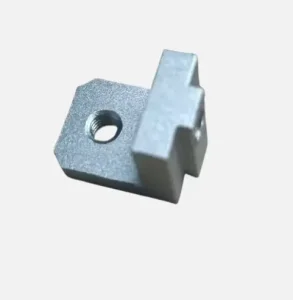
Custom Custom CNC Milled Aluminum Alloy Right Angle Mounting Bracket Manufacturer, Supplier
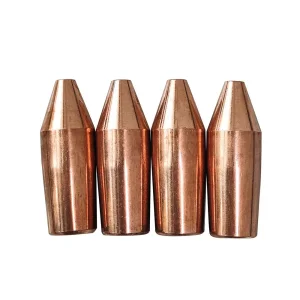
OEM Custom Resistance Spot Welding Electrode Caps Exporters, Factories
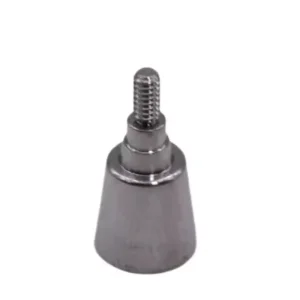
Custom Custom CNC Turned Titanium Abutment Implant Driver & Prosthetic Connector Manufacturers, Product
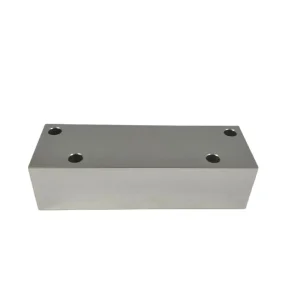
ODM Custom CNC Machined Aluminum Vacuum Manifold Block Manufacturer, Products
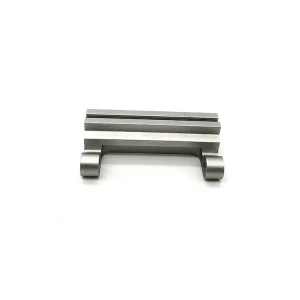
High-Quality Custom CNC Machined Aluminum Hinge Assembly | Grey Anodized Finish Supplier, Quotes
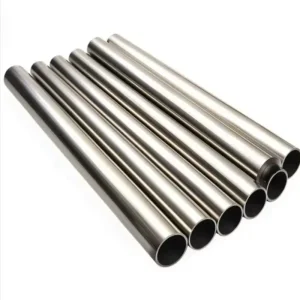
High-Quality Custom Precision Capillary Stainless Steel Pipe / Tube (OD 1mm - 8mm) Supplier, Factory
The State of Stereolithography (SLA) Manufacturing in China's Global Supply Chain
In modern advanced manufacturing, Stereolithography (SLA) printing has transcended aesthetic rapid prototyping to become an indispensable tier-1 industrial production engine. China's industrial ecosystem, anchored by the Greater Bay Area and Shenzhen's engineering clusters, manufactures and exports over 42% of the world’s high-precision photopolymer products, functional master patterns, and hybrid tooling inserts.
Sub-Micron Laser Galvanometer Optics
Industrial China SLA export printers utilize solid-state diode-pumped Nd:YVO4 lasers at 355 nm ultraviolet wavelengths. Combined with variable beam spot optics (adjustable down to 0.05 mm), this achieves razor-sharp feature edges, non-visible layer stratification, and true isotropic physical performance impossible via standard FDM or SLS methodologies.
High-Throughput Mega-Format Envelopes
Moving beyond desktop form-factors, Chinese SLA exporters operate continuous vat printing suites spanning envelopes from 600 mm to 2,400 mm in single pieces. This eliminates assembly bond lines in full-scale automotive fascia, drone fuselages, and medical diagnostic chassis while sustaining geometric accuracy across extensive axes.
Agile Agile-to-Scale Supply Chains
The strategic strength of Shenzhen-based exporters lies in the seamless synthesis between digital photopolymerization and downstream metal processing. A validated SLA master model seamlessly routes into silicone urethane tooling, lost-wax investment casting, or precision 5-axis CNC machining under one single ISO-certified quality umbrella.
Industrial SLA Engineering Resins: Chemical Formulations & Physical Thresholds
To satisfy rigorous automotive under-the-hood testing, aerospace thermal endurance, and biocompatible medical instrumentation standards, Chinese SLA manufacturers supply fully characterized resin families verified under ASTM testing standards.
| Resin Classification | Simulated Equivalent | Tensile Strength (MPa) | Elongation at Break (%) | Heat Deflection Temp (HDT @ 0.45MPa) | Primary Industrial Applications |
|---|---|---|---|---|---|
| Rigid Tough Photopolymer | ABS / Polycarbonate blend | 48 - 56 MPa | 12 - 20% | 65°C - 78°C | Functional snap-fits, consumer electronics, automotive interior prototypes |
| High-Temperature Composite | Ceramic-reinforced PEEK | 75 - 88 MPa | 2 - 4% | 230°C - 265°C | Wind-tunnel testing, hot fluid manifolds, autoclave tooling masters |
| Clear Optical Formulation | Polymethyl Methacrylate (PMMA) | 52 - 62 MPa | 5 - 8% | 58°C - 64°C | Automotive headlamp lenses, microfluidic chips, transparent fluid visualization |
| Medical Grade Biocompatible | ISO 10993 / USP Class VI | 60 - 72 MPa | 8 - 14% | 72°C - 85°C | Surgical drill guides, dental prosthesis alignment, skin-contacting wearable sensors |
| Elastomeric Flexible Polyurethane | Silicone / EPDM (Shore 50A - 85A) | 8 - 16 MPa | 130 - 220% | 45°C - 55°C | Gaskets, vibration isolation grommets, ergonomic overmolding validation |
Photopolymerization Kinetics & Green Strength Management
During radical-induced photopolymerization, cross-linking density determines the part's initial "green strength" as it lifts from the liquid resin tank. High-precision Chinese exporters deploy proprietary multi-stage thermal and UV post-curing profiles in controlled nitrogen chambers. This process eliminates residual unreacted monomers, stabilizes anisotropic shrinkage within ±0.05%, and drives ultimate mechanical rigidity to peak specifications.
Optical Surface Micro-Finishing & Secondary Coatings
Raw SLA components present ultra-fine Ra 0.8 μm layer lines that can be directly enhanced to mirror optical clarity or metallic performance. Exporters integrate robotic vapor polishing, automated wet-sanding stations, optical clear-coating, and electrolytic nickel/copper plating directly onto photopolymer substrates to simulate solid die-cast metal shielding with featherweight plastic weight.
Cross-Industry Deployments: Where SLA Printing Solves Critical Production Hurdles
International engineering procurement demands SLA solutions that bridge functional prototype validation with rapid, low-risk bridge manufacturing across five core high-value sectors.
Aerospace & Defense Aerodynamics
Wind tunnel aerodynamic validation demands perfectly smooth skin finishes and zero micro-porosity. High-temp ceramic-doped SLA resins produce complex nacelle contours, internal air ducting, and winglet models that withstand airflows exceeding Mach 0.8 without structural deformation or edge flutter.
Medical & Surgical Orthopedics
By rendering computed tomography (CT) and DICOM scan data with sub-0.05 mm accuracy, biocompatible stereolithography delivers sterilizable patient-specific surgical cut guides, cranial reconstruction templates, and custom titanium implant seating drivers directly into surgical theaters.
Automotive Lighting & HVAC
Full-scale headlamp assemblies, light pipes with total internal reflection (TIR), and complex under-dash HVAC climate distribution ducting are printed in unified pieces. Optical clear resins achieve 91% light transmittance after automated multi-grit diamond polishing and UV sealing.
Semiconductor & Electronics Enclosures
For micro-BGA test sockets, wafer-handling end effectors, and tight-pitch multi-pin terminal blocks, SLA delivers high dielectric insulation ratings alongside sharp internal thread details and delicate anti-static snap-fit tabs that avoid tool wear issues.
Consumer Smart Hardware
From acoustic earbud housings with micro sound tubes to robotic handheld exoskeletons, engineers utilize quick-turn SLA models to evaluate ergonomics, seal channel water-tightness (IP68), and aesthetic color/texture variations before committing to multi-cavity tooling.
Lost-Resin Investment Casting Masters
Antimony-free, low-ash investment casting SLA formulations burn out cleanly below 850°C without ash residue or ceramic mold shell cracking. This unlocks rapid metal casting for titanium, superalloy inconel, and aluminum pump impellers in record lead times.
The Future of Stereolithography: Continuous Liquid Printing & AI-Driven Optimization
The trajectory of industrial photopolymerization in Chinese manufacturing hubs centers on the convergence of continuous high-speed liquid interface systems, artificial intelligence beam-path slicing, and carbon-neutral bio-based resins.
Continuous Dead-Zone Printing
Oxygen-permeable membrane windows eliminate mechanical recoating cycles. Photopolymer curing proceeds continuously at vertical build rates up to 100 mm/hour, drastically shortening cycle times for production runs.
AI Dynamic Slicing & Energy Control
Neural networks analyze finite element mesh gradients and self-adjust laser power, pulse repetition frequency, and galvanometer velocity dynamically to counteract localized thermal stresses and eliminate curl distortion.
Nanocomposite & Ceramic Infill
Next-gen photosensitive slurries loaded with sub-micron alumina and silicon nitride particles enable the direct 3D printing of non-conductive, extreme heat-resistant components that undergo debinding into solid technical ceramics.
Eco-Friendly Renewable Monomers
To comply with stringent EU RoHS, REACH, and global ESG mandates, Chinese chemical researchers are formulating bio-derived soybean and cashew nutshell oil oligomers that deliver identical mechanical properties while reducing volatile organic compounds (VOCs).
Export Governance: Strict In-House Metrology & First Article Inspection
International industrial sourcing risks disappear when underpinned by uncompromising quality control. Every batch of custom SLA printed parts and hybrid CNC components undergoes multi-point geometric dimensioning and tolerancing (GD&T) validation.
Zeiss 3D CMM & Blue-Light Scanning
Our in-house metrology lab utilizes high-precision Zeiss Coordinate Measuring Machines (CMM) calibrated down to ±0.0015 mm and non-contact blue-light optical surface scanners. Every critical bore, datum surface, and pitch diameter is mapped against your native 3D CAD model to generate full-color volumetric deviation heatmaps.
Formal FAI & Batch Traceability
First Article Inspection (FAI) reports compliant with AS9102 / ISO 9001 protocols are standard deliverables. Shipments contain full mill test certificates (MTC), UV curing exposure verification records, raw photopolymer resin lot numbers, and RoHS/REACH compliance documentation.
Mil-Spec Export Barrier Packaging
Photopolymers remain susceptible to environmental humidity and UV yellowing during transit. Finished goods are vacuum-sealed in ESD-shielded, moisture-barrier vapor packaging with active desiccant packs and custom CNC-routed high-density EVA foam inserts to guarantee zero shipping shock damage.
Frequently Asked Questions From Global Procurement Engineers
Comprehensive engineering clarity on tolerances, post-curing kinetics, material longevity, and turnkey manufacturing logistics for overseas procurement teams.
What is the practical dimensional tolerance for industrial SLA parts from China?
On large-format industrial SLA systems, standard achievable linear tolerance is ±0.1% or ±0.10 mm (whichever is greater). For micro-SLA and critical mating features under 100 mm, tolerances can be controlled down to ±0.025 mm to ±0.050 mm through precision galvanometer calibration, controlled vat temperatures (maintained at 30°C ± 0.5°C), and laser beam spot compensation.
How do you mitigate anisotropic weakness and resin aging/embrittlement?
Unlike extrusion processes (FDM), SLA creates near-isotropic mechanical bonds because cross-linking polymer chains span across successive layers. Embrittlement from ambient UV exposure is prevented through UV-blocking polyurethane clear-coats, opaque paint finishes, or electro-chemical metal plating that halts subsequent photo-degradation.
Can SLA printed components accommodate functional threaded inserts?
Yes. While coarse threads can be printed directly with 0.5 mm minimum pitch, we strongly advise using custom CNC-turned brass or stainless steel self-tapping inserts or ultrasonic knurled heat-set inserts. Boss internal diameters are modeled with specific relief tapers to ensure superior pull-out and rotational torque resistance.
How does Sunmy Hardware safeguard client CAD files and proprietary IP?
Intellectual Property security is governed under legally binding, bilateral Non-Disclosure Agreements (NDAs) signed prior to CAD transfer. CAD files reside on isolated, encrypted engineering workstations. We manufacture directly in our Shenzhen facilities without outsourcing to unvetted trading agents.
What is the typical production and export lead time to North America and Europe?
Standard prototype batches (1 to 20 parts) typically ship within 3 to 5 business days after DFM sign-off. Via prioritized DHL, FedEx, or UPS air express, shipments reach major European and North American industrial hubs in 3 to 4 days, enabling a complete drawing-to-bench testing cycle in under 10 calendar days.
How do you assist with Design for Additive Manufacturing (DFAM) optimization?
Our engineering staff reviews all 3D files (.STEP, .IGES, .X_T) for minimum wall thickness (recommended ≥0.8 mm), aspect-ratio support generation, trapped resin drainage holes, and thermal mass distribution to guarantee distortion-free geometries and economical part nesting.
Custom Precision Turnings, Fasteners & Electrical Components (Part II)
Engineered to integrate seamlessly with SLA printed sub-assemblies and production equipment: from precision laminated busbars to micro capillary tubes and optical lens housings.
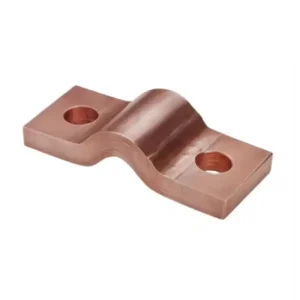
Custom Custom Flexible Laminated Copper Busbar for Battery & Electrical Equipment Service, Products
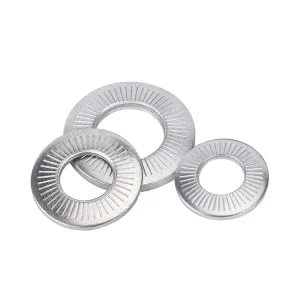
High-Quality Custom Wedge-Lock Washer Pairs Product, Quotes
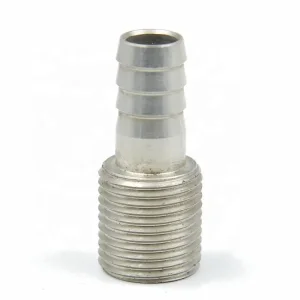
OEM Custom CNC Turned Hose Barb Fittings & Threaded Adapters Manufacturer, Factory
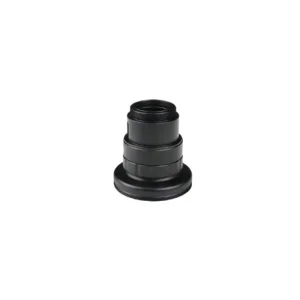
OEM Custom Precision CNC Turned Black Anodized Aluminum Lens Barrel & Optical Housing Components Manufacturer, Product
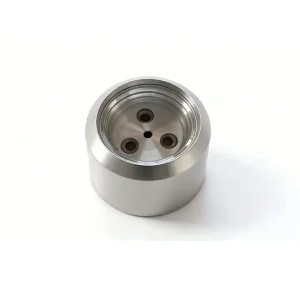
High-Quality Precision CNC Machined High-Voltage Insulator Contact Base Service, Factory
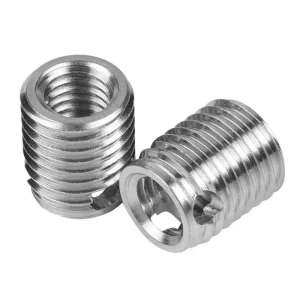
Custom Custom Self-Tapping Threaded Inserts Product, Exporters
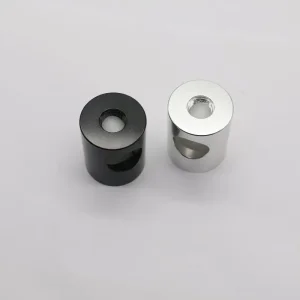
High-Quality Custom Precision CNC Turned Stainless Steel Medical Components Products, Exporter
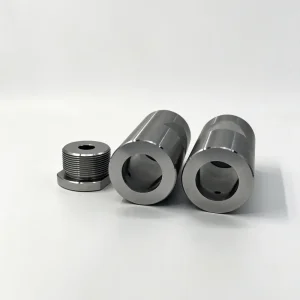
China Custom CNC Turned Tooling Sleeves & Threaded Retaining Plugs Products, Exporter
Accelerate Your Next Sourcing Program with Factory-Direct SLA & Precision Machining
Transmit your 3D CAD files (.STEP, .STP, .X_T, .IGES) under a guaranteed NDA. Receive an exhaustive Design for Additive Manufacturing (DFAM) report, precision tolerance confirmation, and tier-1 pricing from our Shenzhen engineering staff within 24 hours.