
Precision Turned & 5-Axis Medical Structural Components
Direct from our Shenzhen precision facilities: ultra-tight tolerance sleeves, structural connectors, and specialized micro-assemblies ready for validation.
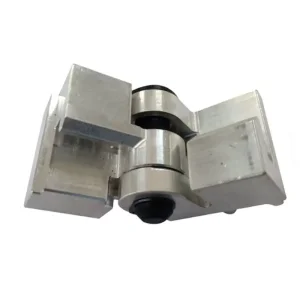
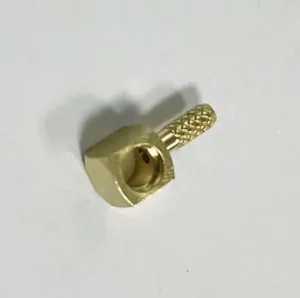
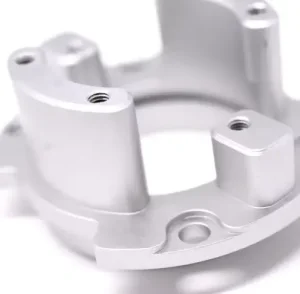
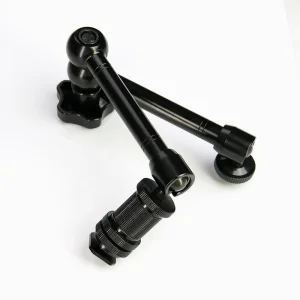
Engineering Dominance: The China Medical Machining Factory Ecosystem
Decoupling medical hardware development cycles through Shenzhen’s dense supply chain integration, hyper-specialized multi-axis CNC tooling, and audit-ready cleanroom validation.
Full-Spectrum Metallurgical Integrity
Medical machining is unyielding. Sunmy enforces mill test certificates (MTC) with complete chemical and mechanical traceability for implant-grade Titanium (Ti-6Al-4V ELI / Grade 5), 316L/316LVM implant stainless steel, Cobalt-Chromium (CoCr), Nitinol, and biocompatible engineering thermoplastics like unfilled and carbon-reinforced PEEK.
Kinematic Precision & Swiss Turning
Operating multi-axis Swiss-type lathes with live sub-spindles allows continuous 1-setup operations for micro-threads, tiny coaxial cross-holes, and delicate surgical tips down to 0.2 mm diameter. This removes cumulative setup runout, ensuring concentricity within 0.003 mm across extended batch runs.
Audit-Ready Regulatory Compliance
Every medical component processed in our Shenzhen factory passes strict cleanroom ultrasonic degreasing, citric/nitric acid passivation according to ASTM A967/ASTM F86 standards, and automated 3D CMM inspection. We supply comprehensive IQ/OQ/PQ validation data packs, FAI dossiers, and RoHS/REACH compliance files.
Localized Clinical Scenarios & Global Machining Applications
How our precision CNC milled and turned assemblies serve across diverse life-sciences environments worldwide.
Minimally Invasive Surgery (MIS)
Articulating endo-wrist housings, micro-scissor pivots, and trocar components requiring deburred edges inspected under 40x optical magnification to eliminate micro-particulate detachment during laparoscopy.
Orthopedic & Spinal Implantation
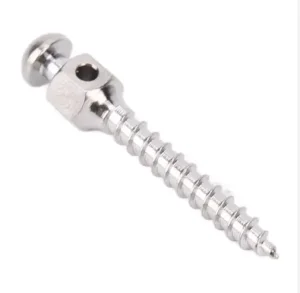
Cannulated pedicle screws, titanium interbody fusion cages, and prosthetic connectors machined with multi-lead threads, zero thermal stress build-up, and biocompatible rough surfaces for improved osseointegration.
In-Vitro Diagnostics (IVD)
Microfluidic rotary manifolds, sapphire/PEEK valve bodies, and optic positioning stages. Requires Ra < 0.2 µm bore surfaces to avoid reagent turbulence, shear degradation, or carry-over contamination.
Surgical Robotics & Haptics
Low-backlash hollow cycloidal components, thin-wall sensor shells, and zero-stiction bearing retainers that provide real-time tactile force feedback in computer-assisted tele-surgical consoles.
Comprehensive Medical Machining Material & Validation Matrix
A technical guide for design and procurement teams assessing clinical engineering challenges.
| Material Category | Common Medical Alloys / Resins | Achievable CNC Tolerance | Surface Treatment Capabilities | Primary Regulatory Focus |
|---|---|---|---|---|
| Medical Grade Titanium | Ti-6Al-4V ELI (Grade 23), Ti Grade 2, Ti Grade 4 | ±0.005 mm (Milling), ±0.002 mm (Swiss) | Type II/III Color Anodizing, Micro-Bead Blasting, Acid Passivation | ASTM F136, ISO 5832-3, Biocompatibility Cytotoxicity (ISO 10993) |
| Surgical Stainless Steel | 316LVM (ASTM F138), 17-4PH Cond. H900, 420 Mod, 440C | ±0.003 mm (Cylindrical Grinding / Turning) | Electropolishing (EP), Nitric Passivation, PVD Diamond-Like Coating | Corrosion Resistance (ASTM A967), Hardness & Wear Endurance |
| Cobalt & Superalloys | CoCrMo (ASTM F75), MP35N, Nitinol (Shape Memory) | ±0.005 mm (High-Speed Hard Machining) | Vibratory Superfinishing, Micro-polishing, Thermal Oxide Film | High Cycle Fatigue Life, Non-Magnetic Testing, ASTM F1537 |
| High-Performance Resins | PEEK-OPTIMA®, Medical Acetal (POM-C), PPSU (Radel®), PTFE | ±0.010 mm (Cryogenic & Moisture Controlled) | Zero-Burr Cryogenic Deflashing, Annealing Stress-Relief | USP Class VI, Autoclave / EtO / Gamma Sterilization Stability |
Macro Trends Transforming Medical Precision CNC Machining
Addressing supply chain resilience, micro-machining breakthroughs, and integrated digital validation across North America, Europe, and Asia-Pacific markets.
1. Convergence of Micro-Additive & Subtractive
Medical innovators increasingly employ hybrid workflows: 3D-printed titanium structures with porous trabecular lattices, immediately followed by multi-axis CNC finishing of mating journals, critical bore threads, and sealing lands to achieve high structural reliability.
2. Digital Metrology & Closed-Loop Quality Control
Modern medical manufacturing relies on real-time feedback. Utilizing on-machine laser probing and non-contact optical white-light interferometry allows immediate compensation for tool deflection and thermal drift, preserving process capability index (Cpk > 1.67).
3. Complete IP Protection & Direct Communication
Global medical tech OEMs minimize vulnerability by signing enforceable non-disclosure agreements directly with verified Shenzhen factory engineering groups. By avoiding trading intermediaries, CAD data remains secure within ISO-compliant digital storage silos.
Advanced Precision Assemblies & Critical Turned Products
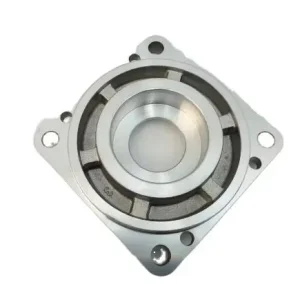
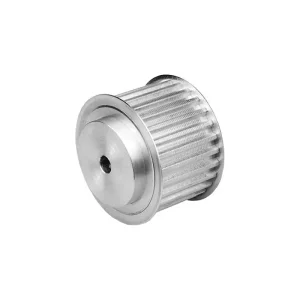
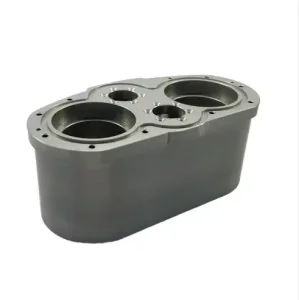
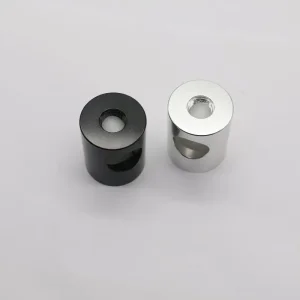
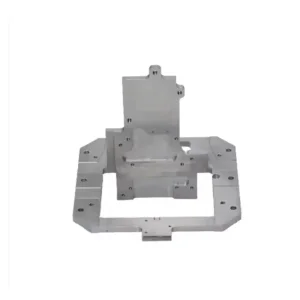
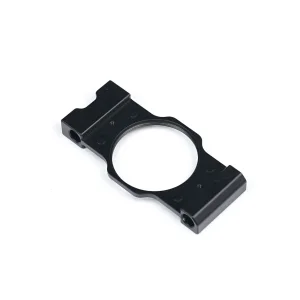
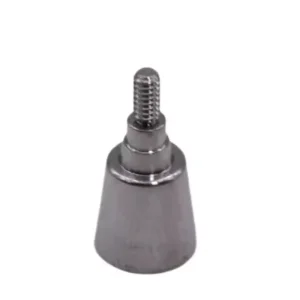
Precision-engineered bearing supports, timing pulleys, orthodontic titanium fixtures, and structural optical mounts manufactured under rigorous in-house quality inspection.
Frequently Answered Technical Questions for Medical Machining
Key information regarding material certifications, cleanroom operations, tolerances, and rapid pilot production.
How does Sunmy ensure zero residual oil or contamination on implant components?
Every medical and implant-oriented part goes through a validated, multi-stage ultrasonic degreasing protocol using clinical deionized water and medical-grade cleaning agents. Post-cleaning, components undergo either nitric or citric acid passivation under ASTM A967/ASTM F86 specifications, accompanied by cleanroom particle audits before vacuum-sealed packaging.
Can you provide complete First Article Inspection (FAI) according to AS9102 or ISO standards?
Yes. Sunmy Hardware’s quality engineering team provides detailed First Article Inspection (FAI) dossiers with 100% ballooned engineering drawings, coordinate measuring machine (CMM) reports, surface roughness profile traces, and original material certification including melt heat numbers and chemical analysis.
What is the typical turnaround time for clinical trial pilot batch prototypes?
Standard CNC micro-machining prototypes and pilot validation batches (10 to 500 units) in Titanium or PEEK are typically delivered within 7 to 12 business days. If urgent verification is required, our 24/7 dedicated rapid engineering cell can compress cycle times to 5 business days, supported by expedited DHL/FedEx courier delivery to Europe and North America.
How do you maintain dimensional stability when milling complex PEEK components?
PEEK exhibits low thermal conductivity and susceptible internal stress release during heavy chip removal. Sunmy eliminates distortion by implementing intermediate vacuum annealing cycles between roughing and finish passes, using custom PCD diamond tooling, and applying precise, high-pressure non-chlorinated flood cooling or dry cryogenic machining techniques.