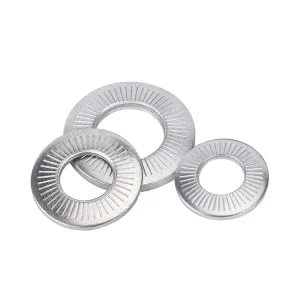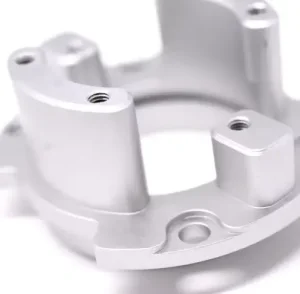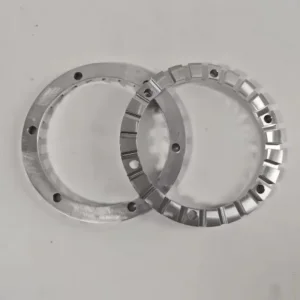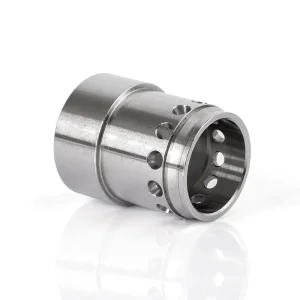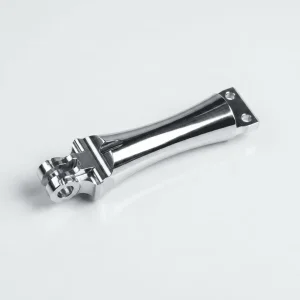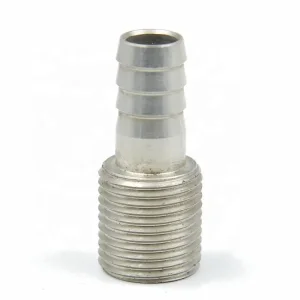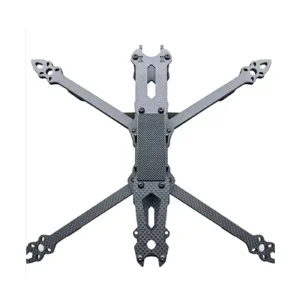
Featured Production Solutions & Specialized Assemblies (Phase I)
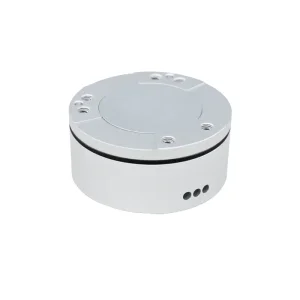
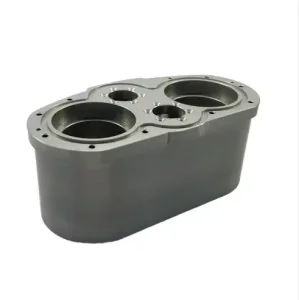
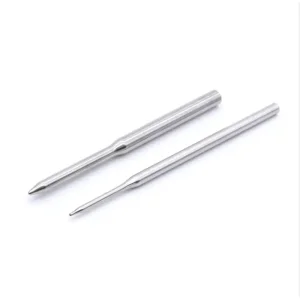
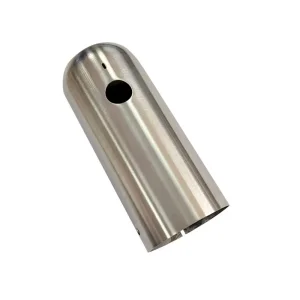
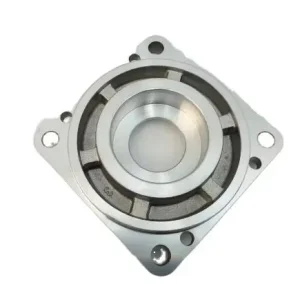
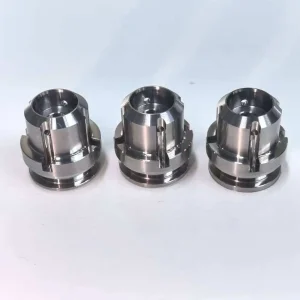
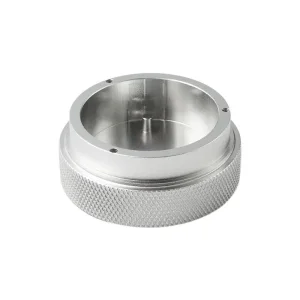
Direct from Sunmy Hardware Shenzhen workshops: high-precision enclosures, sensor mountings, and dynamic mechanical components validated under strict engineering protocols.
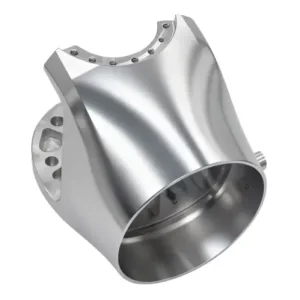
Global Landscape: The Evolution of Prototype Injection Molding
In the contemporary hardware product realization cycle, prototype injection molding—also recognized as rapid tooling or bridge tooling—has transitioned from an optional validation step into a core risk-mitigation strategy for hardware product development.
De-Risking Capital Allocation
Traditional hardened steel molds (P20, H13) demand substantial financial capital and lead times exceeding 8 to 14 weeks. Prototype tooling utilizing high-grade semi-hardened aircraft aluminum (Alloy 7075) or pre-hardened steels (NAK80) truncates tooling cycles to 7–15 days at a fraction of the cost, permitting exhaustive physical testing prior to high-volume commitments.
Production-Grade Material Fidelity
Additive manufacturing (3D printing) and urethane casting struggle to replicate exact isotropic resin characteristics. Prototype injection molding produces parts using commercial resin grades (PEEK, Glass-Filled Nylon, Polycarbonate, TPU, PPS), securing accurate mechanical, thermal, dielectric, and regulatory validations (UL94, RoHS, FDA compliance).
Accelerated Bridge Production
When original market launches or regulatory clinical cohorts demand 500 to 10,000 functional parts immediately, prototype tooling bridges the gap between functional sign-off and serial mass-production mold qualification, securing early revenue streams without production line starvation.
The China Manufacturing Advantage: Shenzhen’s Integrated Ecosystem
Sunmy Hardware operates within the Greater Bay Area—the epicenter of global precision engineering. The synergy between high-speed 5-axis CNC machining, micro-EDM, automated surface treatment, and direct technical governance delivers decisive engineering benefits.
Hyper-Localized Supply Infrastructure
In Shenzhen, master alloy billets, custom mold bases (LKM standards), precision ejector pins, cooling baffles, and textured EDM electrodes are procured and modified within hours rather than weeks. This ultra-dense industrial supply network enables continuous, non-stop mold construction.
Pre-Tooling Moldflow & DFM Depth
Our bilingual technical directors conduct rigorous Design for Manufacturability (DFM) analyses prior to steel cut. We model volumetric shrinkage, gate vestige locations, air traps, weld lines, and warpage trends to resolve design defects before machining commences.
Direct OEM Factory Account Management
By eliminating trading intermediaries, international procurement engineers interact straight with Sunmy’s machining and tooling supervisors. Drawings remain securely governed under non-disclosure protocols, guaranteeing transparent accountability and zero lost-in-translation bottlenecks.
| Manufacturing Attribute | Sunmy Hardware Rapid Bridge Tooling | Conventional Serial Tooling | 3D Printing / Additive |
|---|---|---|---|
| Lead Time to First Article (T1) | 7 – 15 Working Days | 8 – 14 Weeks | 1 – 3 Days |
| Upfront Tooling Expense | Very Low (Aluminum 7075 / NAK80) | High (Hardened H13 / P20) | Zero Tooling (High Per-Part Cost) |
| Mechanical Material Properties | 100% Isotropic, Actual Resins | 100% Isotropic, Actual Resins | Anisotropic, Simulated Resins |
| Surface Finishes Available | SPI-A2 Mirror, Mold-Tech Textures | Full Range (All Textures & Polish) | Layer Lines, Porous, Manual Smoothing |
| Part Tolerancing Capability | ±0.01 mm to ±0.05 mm (DIN 16742) | ±0.005 mm to ±0.02 mm | ±0.1 mm to ±0.3 mm |
Target Application Verticals & Global Case Scenarios
Sunmy’s integrated multi-process capacity supports tier-1 engineering sectors, delivering high-performance plastic solutions coupled with complementary CNC turned and milled hardware.
Medical Devices & Bushings
Sterilizable surgical handles, fluid manifolds, endoscopic caps, and biocompatible POM sleeve bushings. Certified for ISO 10993 compatibility and medical-grade chemical exposure.
Robotics & Drone Subsystems
Lightweight drone arm brackets, multi-axis joint covers, and vacuum gripper mounting plates. Structural fiber-reinforced polymers molded to balance rigidity and weight reduction.
Sensors & Waterproof Probes
Hermetic thermowell caps, optical transducer housings, and overmolded strain relief sleeves. Built to satisfy IP67/IP68 ingress ratings and severe environmental thermal cycles.
Automotive Powertrain Connectors
EV battery sensor housings, busbar covers, and under-the-hood clips needing flammability resistance (UL94 V-0) and sustained mechanical toughness across -40°C to 125°C.
Industry Trends & Sourcing Expectations: The 2026+ Outlook
Strategic manufacturing procurement is undergoing a paradigm shift. Product life cycles continue to compress, demanding faster iteration speeds and absolute digital transparency.
Hybrid Additive-Subtractive Tooling
The adoption of conformal cooling channels produced via direct metal laser sintering (DMLS) combined with high-speed CNC finish milling is revolutionizing prototype injection molds. By optimizing thermal dissipation across complex cores, injection cycle times drop by 20–35% while eliminating sink marks.
Engineering Multi-Material Assemblies
Global clients increasingly consolidate suppliers, seeking manufacturers capable of delivering fully integrated sub-assemblies. Sunmy combines in-house CNC turned brass inserts, sheet metal ground clips, and silicone overmolded gaskets into turnkey, ready-to-mount components.
Audit-Ready Quality Documentation
Modern enterprise procurement demands complete verification: First Article Inspection (FAI) under AS9102 or ISO 9001 guidelines, full Coordinate Measuring Machine (CMM) dimensional sweeps, material spectroscopic trace certificates, and strict RoHS/REACH compliance files delivered with T1 parts.
Frequently Asked Engineering & Procurement Questions
Detailed insights into our rapid prototyping, tooling life cycles, tolerance capabilities, and global fulfillment procedures.
What is the definitive difference between rapid prototype molding and full-scale production tooling?
How does Sunmy Hardware verify dimensional accuracy on prototype plastics?
Can prototype molds support high-temperature engineering plastics like PEEK or PPS?
What typical tooling life expectancy can we anticipate for bridge molds?
How are confidential IP assets and CAD models handled?
Engineered CNC, Turned, Stamped & Molded Products (Phase II)
Full-spectrum manufacturing capabilities: explore our precision hardware lines designed to integrate seamlessly into complete robotic, aerospace, medical, and fluid handling assemblies.