
High-Precision Production Portfolio (Batch I)
High-repeatability components manufactured through standardized multi-axis CNC milling, Swiss turning, and multi-cavity batch tooling setups.
-
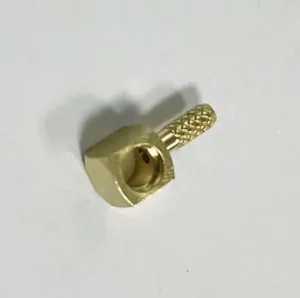
High-Quality Custom CNC Machining Brass Insert Connector with Knurled Pin OEM Suppliers, Products
Configure & Quote -
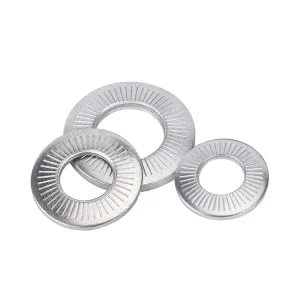
High-Quality Custom Wedge-Lock Washer Pairs Product, Quotes
Configure & Quote -
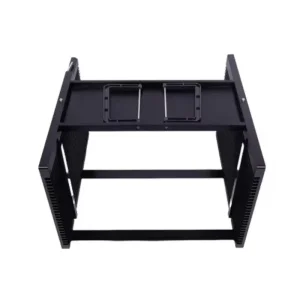
OEM Premium 8-Inch CNC Machined Aluminum Semiconductor Wafer Carrier Factories, Quotes
Configure & Quote -
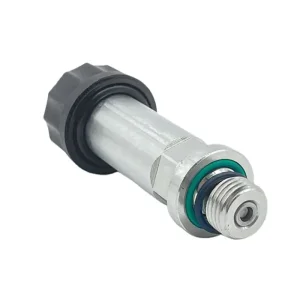
Custom High-Performance Hydraulic Solenoid Valve Core – Precision CNC Turned Excavator Spare Parts Service, Exporters
Configure & Quote -
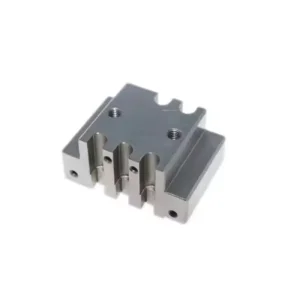
ODM OEM Precision CNC Machining Aluminum Parts & Custom Industrial Components Exporters, Quotes
Configure & Quote -
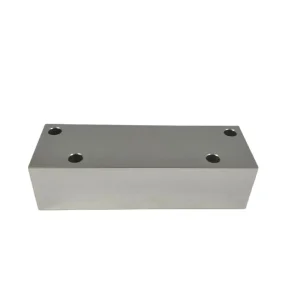
ODM Custom CNC Machined Aluminum Vacuum Manifold Block Manufacturer, Products
Configure & Quote -
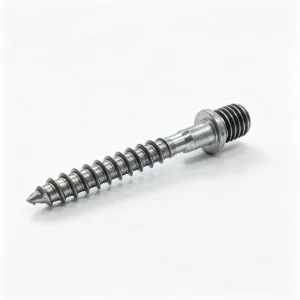
OEM Custom Precision Turned Stainless Steel Dual-Thread Hanger Bolt Manufacturer, Factory
Configure & Quote -
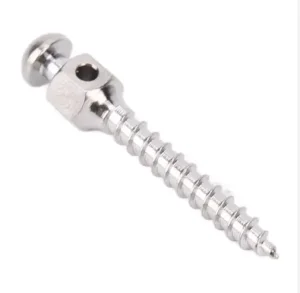
China Custom Precision Titanium Orthodontic Micro Implant Screws Manufacturers, Factories
Configure & Quote
Global CNC Machining Landscape: The Scale Paradigm Shift
Autonomous driving, semiconductor lithography, and medical implants demand unprecedented dimensional repeatability at high volume.
Modern global equipment buyers no longer separate prototyping feasibility from production throughput. The transition between validation prototypes and multi-hundred-thousand production runs typically encounters catastrophic margin leakage when suppliers lack dedicated high-volume infrastructure. Today's commercial reality requires ODM (Original Design Manufacturing) partners capable of delivering both precision geometry and comprehensive metallurgical governance.
"High-volume CNC machining has transformed from simple subtractive shop processing into algorithmic cycle optimization, combining custom hydraulic fixtures, robotic pallet changers, and predictive tool-wear compensators."
Whether manufacturing 8-inch aerospace-grade semiconductor wafer carriers or micro-scale titanium surgical implants, high-volume manufacturing demands identical surface topography, tight CPK indices (>1.67), and zero thermal variation across multi-spindle banks running continuous 24/7 shifts.
| Production Dimension | Conventional Job Shops | Sunmy ODM High-Volume Infrastructure |
|---|---|---|
| Tooling & Fixturing | Standard vise clamping, single-part setups | Custom multi-station hydraulic & pneumatic tombstones |
| Cycle Time Determinism | Manual operator loading, variable dwell times | Automated tool changers (ATC) with in-situ touch probes |
| Dimensional Verification | Batch sampling with calipers & micrometers | Automated CMM multi-point matrix + 100% visual optical grading |
| Material Traceability | Standard mill sheets, periodic alloy testing | Batch chemical assay, RoHS, and mechanical stress test certs |
The Shenzhen Manufacturing Advantage: Density & Throughput
Why Tier-1 hardware brands and global OEMs consolidate production in the Pearl River Delta industrial corridor.
Supply-Chain Density
Shenzhen's industrial cluster provides access to certified raw alloys, specialty diamond coatings, and surface finishing lines within a 20-mile operational radius.
Scalable Machine Fleets
Direct access to 3-axis, 4-axis, 5-axis simultaneous machining and Swiss-type turning centers configured to spin up parallel runs on demand.
Direct Factory Governance
Zero middleman friction. Global clients collaborate directly with CAD/CAM engineers, preserving intellectual property under bilateral NDAs.
Export Logistical Hub
Direct bonded shipping infrastructure linked to Shenzhen and Hong Kong container hubs provides fast clearance to Europe, North America, and APAC.
Vertical Application Scenarios & Mechanical Constraints
High-volume parts engineered to withstand harsh operating conditions across critical industries.
Semiconductors & Vacuum Systems
Aluminum vacuum manifolds, wafer chucks, and gas carrier bodies requiring ultra-low outgassing, helium leak testing compliance, and Ra < 0.4 μm mirror surface finishing.
Automotive Powertrains & Hydraulics
Spool valves, excavator hydraulic solenoid cores, and dual-thread bolts built from hardened alloys to survive continuous pressure surges and high fluid velocities.
Biocompatible Medical Implants
Grade-5 titanium orthodontic micro-anchors and orthopedic screws requiring micron-level Swiss-turned threads, automated deburring, and cleanroom-compliant ultrasonic wash baths.
Robotics & Autonomous Drones
Lightweight carbon-fiber frame adapters, 6-axis force torque sensor housings, and flanged bearing mounts balanced for high rotational speeds and dynamic payloads.
Technological Trajectories: Lights-Out Manufacturing & In-Situ AI
How algorithmic tool-pathing and smart metrology are redefining high-volume CNC efficiency.
Predictive Tool-Wear Sensors
Spindle load monitoring tracks micro-vibrations, thermal deflection, and acoustic signatures to swap cutters before chattering compromises surface roughness.
Autonomous Digital Twins
CAD models undergo complete kinematic and volumetric removal simulations in software before setting up equipment, eliminating scrap and collision risks.
Automated Pallet Automation
Multi-pallet horizontal machining centers (HMCs) run continuously through the night without manual intervention, cutting unit labor costs on long production runs.
The Enterprise Procurement Playbook for CNC Machining
Evaluation criteria utilized by aerospace, automotive, and medical procurement leads to vet manufacturing facilities.
Qualifying a contract manufacturing partner requires looking beyond surface-level machine lists. Experienced procurement professionals follow a multi-stage audit covering quality systems, machine uptime, and engineering support:
1. Raw Material Assay Control
Verify that incoming billets and bar stock carry traceable mill test certificates, with independent spectrometry testing to confirm chemical compositions.
2. In-House Metrology Equipment
Ensure quality control relies on calibrated multi-axis Coordinate Measuring Machines (CMM), optical profilometers, and roundness testers rather than manual gauges alone.
3. Comprehensive DFM Reviews
Prioritize suppliers whose engineering teams proactively suggest tool-path and geometric optimizations to lower cycle times before metal is cut.
Frequently Asked Questions: High-Volume CNC
Common questions from sourcing teams regarding tolerances, tooling lead times, and factory-floor certifications.
What defines "High Volume" in custom CNC machining operations?
How do Sunmy Hardware facilities maintain ±0.005 mm tolerances across long runs?
What documentation accompanies export shipments to Europe and North America?
Can your engineers assist in transitioning parts from CNC to Die Casting or Stamping?
How does Sunmy protect intellectual property during the RFQ and production stages?
High-Precision Production Portfolio (Batch II)
Turned tooling sleeves, carbon fiber structures, resistance welding elements, and stepped transmission shafts produced to custom drawing specifications.
-
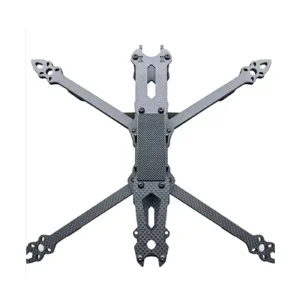
China Custom CNC Machined Carbon Fiber Drone Frame Kits | High-Performance Quad/Hexacopter Frames for Agriculture & FPV Suppliers, Manufacturers
Configure & Quote -
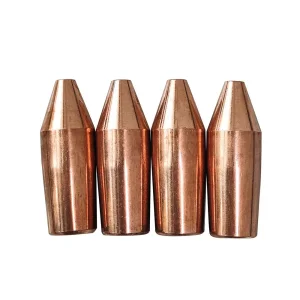
OEM Custom Resistance Spot Welding Electrode Caps Exporters, Factories
Configure & Quote -
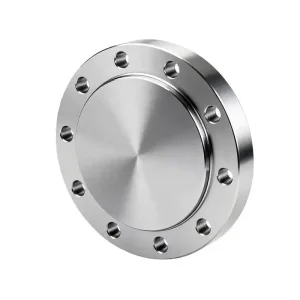
China OEM Precision CNC Machined Stainless Steel Flanges Suppliers, Exporter
Configure & Quote -
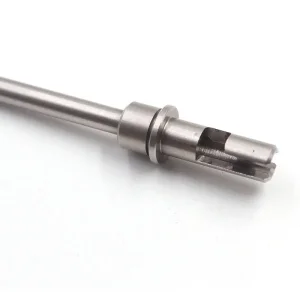
OEM Precision CNC Turned Stainless Steel Stepped Shaft Service, Products
Configure & Quote -
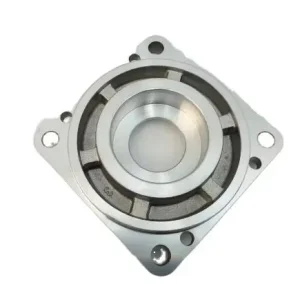
OEM Custom CNC Machining Parts / Precision Bearing Housings / Flanged Bearing Support Components Manufacturers, Service
Configure & Quote -
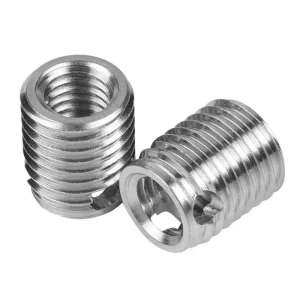
Custom Custom Self-Tapping Threaded Inserts Product, Exporters
Configure & Quote -
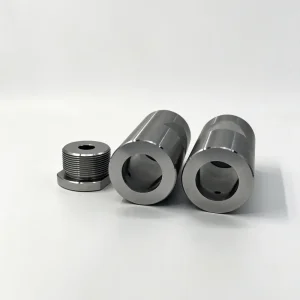
China Custom CNC Turned Tooling Sleeves & Threaded Retaining Plugs Products, Exporter
Configure & Quote -
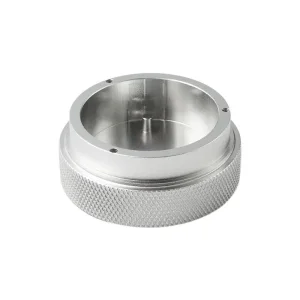
High-Quality Premium Custom CNC Machined Aluminum Control Knobs Manufacturer, Exporters
Configure & Quote