Direct Factory Catalog
Engineered Assemblies & Precision Components Portfolio
Explore our core tooling and precision manufacturing capabilities. Engineered from certified high-grade raw alloys and optical polymers with complete traceability.
Sensor Enclosures
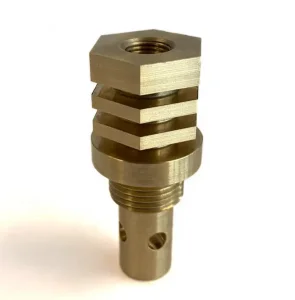
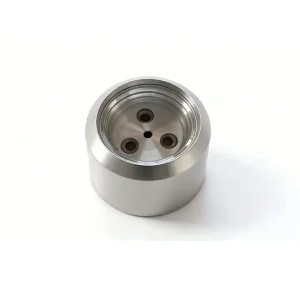
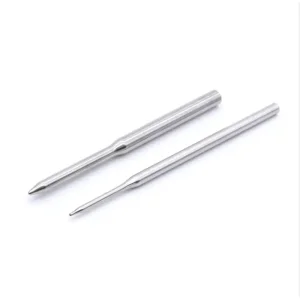
OEM Custom Stainless Steel Waterproof Sensor Probe Housing / Thermowell
View Product Specs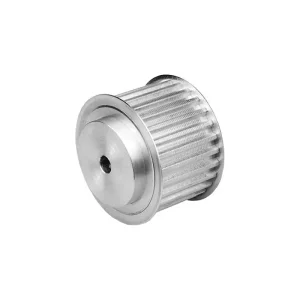
Power Transmission
OEM Custom CNC Machined HTD 3M Aluminum Timing Belt Pulley Supplier
View Product Specs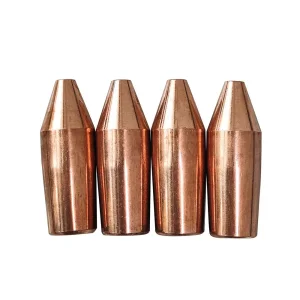
Electrode Tooling
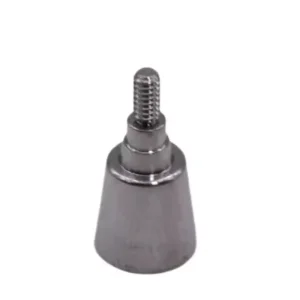
OEM Custom Resistance Spot Welding Electrode Caps Exporters, Factories
View Product Specs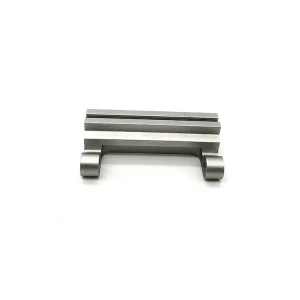
Mechanical Hinges
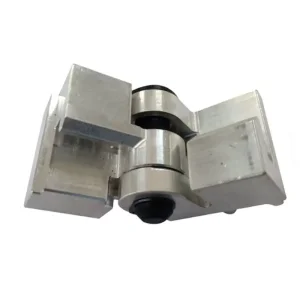
Custom CNC Machined Aluminum Hinge Assembly | Grey Anodized Finish
View Product Specs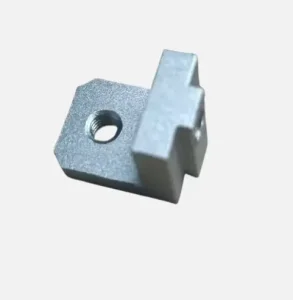
Structural Brackets
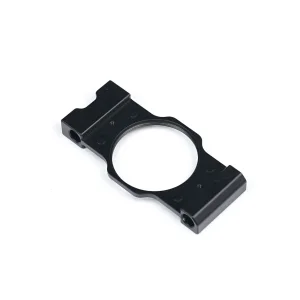
Custom CNC Milled Aluminum Alloy Right Angle Mounting Bracket
View Product Specs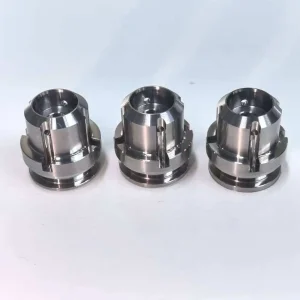
Fluid Controls
High-Quality Custom Precision Turned Stainless Steel Valve Component
View Product Specs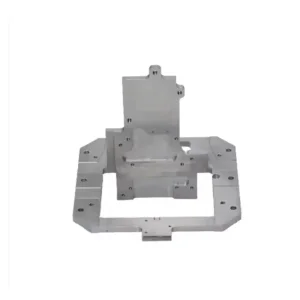
Technical Whitepaper: Industry Trends
The Precision Acrylic (PMMA) Molding Paradigm Shift
Polymethyl Methacrylate (PMMA) acrylic molding has evolved far beyond basic display panels and transparent shells. In contemporary industrial design, acrylic is the premier optical-grade material engineered to replace heavy glass and brittle resins in mission-critical applications.
92.5%
Light Transmittance (Optical Grade PMMA)
±0.005mm
Critical CNC & Mold Cavity Precision
5,000t/yr
Annual Integrated Production Capacity
24h
Rapid DFM Engineering Feedback Turnaround
Zero-Birefringence Optical Injection
Standard injection molding induces substantial internal mechanical stress, yielding residual birefringence that ruins laser scanning, HUD projection, and optical clarity. Sunmy's advanced injection compression molding (ICM) equalizes melt pressure during solidification.
- Sub-micron mold core surface polishing (Ra < 0.02 µm)
- Closed-loop dynamic barrel temperature zone control
- Elimination of refractive indexes variations
Hybrid Metal-Acrylic Insert Overmolding
Modern EV LiDAR pods, medical diagnostics fluidics, and wearable tech require rigid structural anchoring integrated directly within optical acrylic shells without micro-cracking or differential thermal shrinkage.
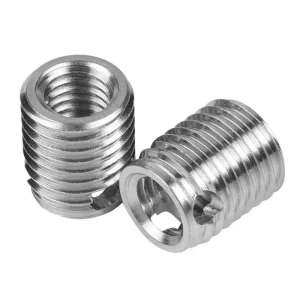
- Pre-heated CNC turned brass & stainless threaded inserts
- Stress-relief thermal annealing cycles (80°C - 90°C)
- IP68 waterproof seal integrity with zero delamination
Advanced Functional Surface Coatings
Pristine acrylic parts require post-molding enhancement to withstand exterior weathering, chemical sterilizers, abrasives, and harsh solar UV environments.
- Hydrophobic Anti-Reflective (AR) optical vacuum deposition
- Siloxane-based 4H-6H scratch-resistant hard coating
- Electrostatic dissipation & UV stabilizer infusion
Procurement Intelligence & Material Analysis
Global Enterprise Sourcing: Acrylic vs. Polycarbonate & Glass
Supply chain leaders and mechanical engineering teams frequently weigh the mechanical trade-offs between Polymethyl Methacrylate (PMMA), Polycarbonate (PC), and Borosilicate Glass. Below is an engineering benchmark matrix guiding international OEMs.
| Performance Parameter | Optical PMMA (Acrylic Molding) | Polycarbonate (PC) | Borosilicate Float Glass | Sunmy Engineering Advantage |
|---|---|---|---|---|
| Light Transmission (%) | 92.0% - 93.0% | 86.0% - 89.0% | 90.0% - 91.5% | Superior clarity, higher Abbe number (58), minimal dispersion |
| Specific Weight / Density | 1.18 g/cm³ | 1.20 g/cm³ | 2.23 - 2.50 g/cm³ | 50% lighter than glass; ideal for lightweight drones & wearables |
| UV Stability & Yellowing | Intrinsic UV Resilience | Requires UV Inhibitor Coating | Immune | Resists solar degradation up to 10+ years outdoor exposure |
| Internal Stress / Birefringence | Ultra-Low (with ICM process) | High residual stress | Zero | Patented runner & gating designs avoid double refraction |
| Geometry Complexity & Features | High (Complex 3D Snap Fits) | High | Very Low (Machined/Etched) | One-step injection tooling replaces multi-stage glass grinding |
| Tooling & Piece-Part Cost | Economical at High Volumes | Moderate | Extremely High for Complex 3D | Amortized over millions of cycles with hardened H13/S136 steel |
China Factory 4.0 Ecosystem
Supply Chain Agility, Tooling Resilience & Speed-to-Market
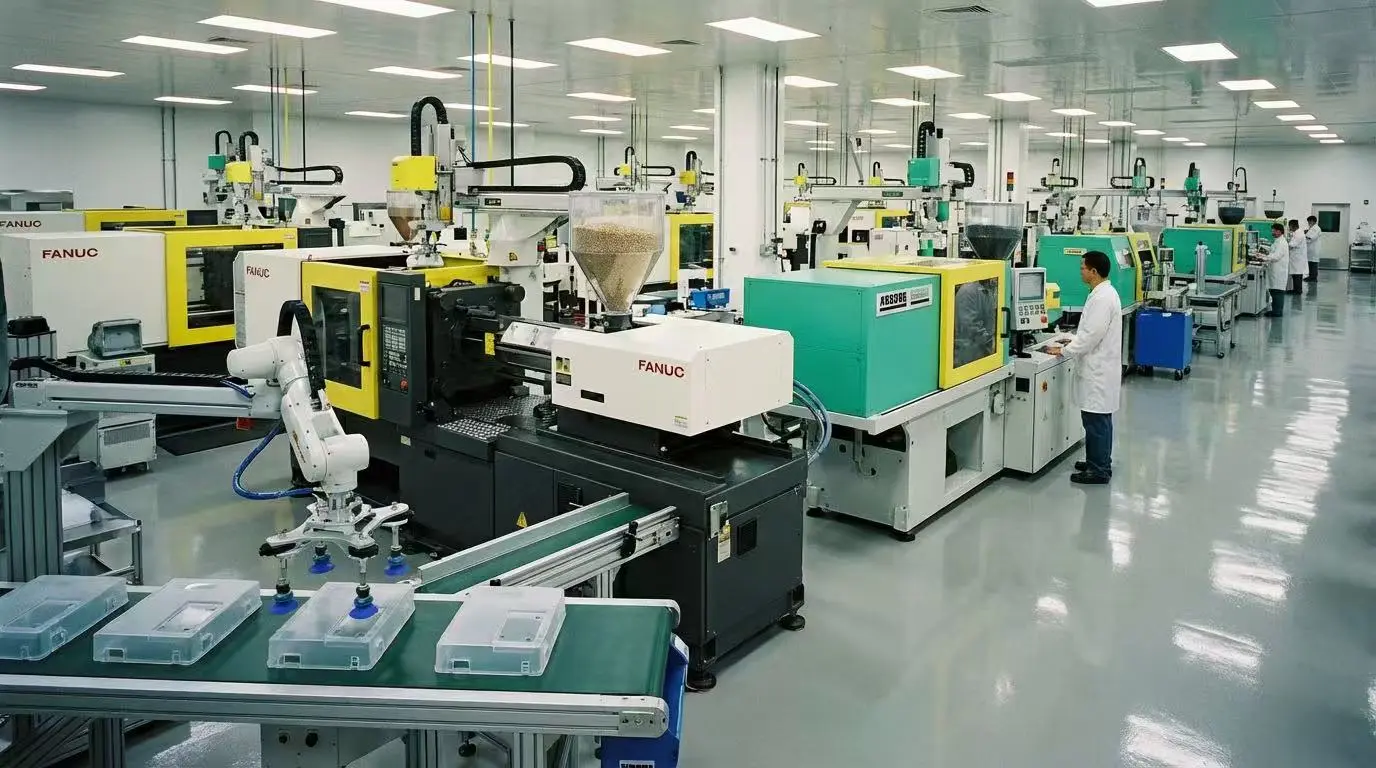
Shenzhen Sunmy Hardware Co., Ltd. sits at the heart of the Greater Bay Area’s world-class advanced manufacturing cluster. Our facility combines automated molding cells with precision CNC milling, EDM wire erosion, and cleanroom secondary finishing.
In-House Tooling & Mold Making
By producing our molds internally utilizing Swiss Makino CNC machining centers and Sodick wire EDM, we eliminate overseas supply bottlenecks. Tooling steel grades like ASSAB S136 and NAK80 are vacuum heat-treated to 52-54 HRC, assuring dimensional reproducibility across over 1,000,000 shots.
Digital Smart Factory & Traceability
From initial pellet dehumidification to automated robotic part removal in ISO Class 7 cleanrooms, each molding cell operates under digitized MES (Manufacturing Execution System) oversight. Melt pressure, cycle duration, and cooling water temperature curves are monitored in real time.
Direct Engineering-to-Engineering Collaboration
Global procurement teams bypass sales brokers. Direct interaction with our tooling designers and materials scientists eliminates miscommunication, guarantees enforceable non-disclosure protection (NDAs), and cuts project gestation periods by up to 45%.
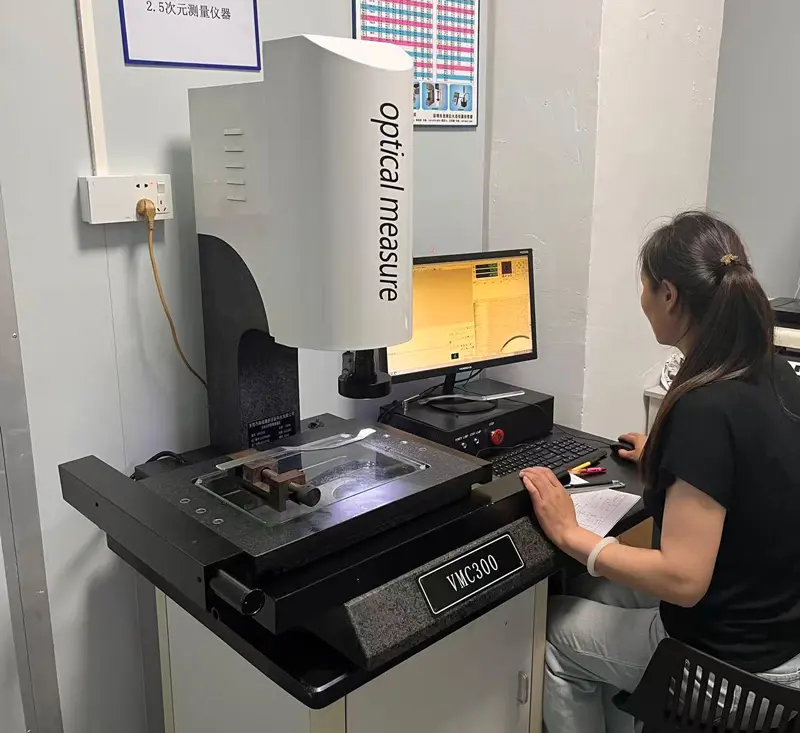
Advanced Quality Control Architecture
Dimensional fidelity and optical integrity are non-negotiable. Our Shenzhen inspection metrology laboratory features high-precision Zeiss Coordinate Measuring Machines (CMM), optical profilometers, spectrophotometers, and computerized torque gauges.
Every shipment comes accompanied by full FAI (First Article Inspection) protocols, resin certs, RoHS & REACH conformance sheets, and CMM dimension verification reports.
ISO 9001:2015
RoHS Compliant
CMM Full-Spectrum Verification
PPAP Level 3 Ready
High-Growth Sectors
Localized Applications: Where Acrylic Molding Powers Modern Technology
Across North America, Europe, and Asia-Pacific, mission-critical assemblies depend on tailored acrylic molding geometries integrated with CNC machined metal cores.
Automotive HUD & Smart Lighting
Modern electric vehicles (EVs) utilize complex freeform light guides, adaptive matrix LED lenses, and instrument cluster covers requiring ultra-low haze (below 0.5%) and thermal stability up to 105°C.
Biomedical Microfluidic Cartridges
In-vitro diagnostics (IVD), point-of-care chips, and DNA sequencing trays rely on molded acrylic for its non-autofluorescent behavior, chemical inertness with biological reagents, and sub-micron capillary channel fidelity.
Industrial Vision & Robotics Enclosures
Factory automation cameras, barcode scanner protective domes, and automated cobot optical sensing rings molded in acrylic endure vibration, dust exposure, and repeated chemical washdowns without micro-fissuring.
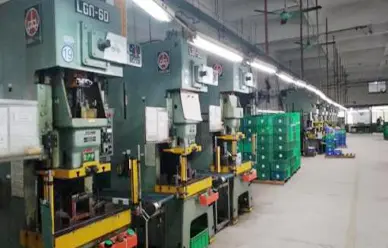
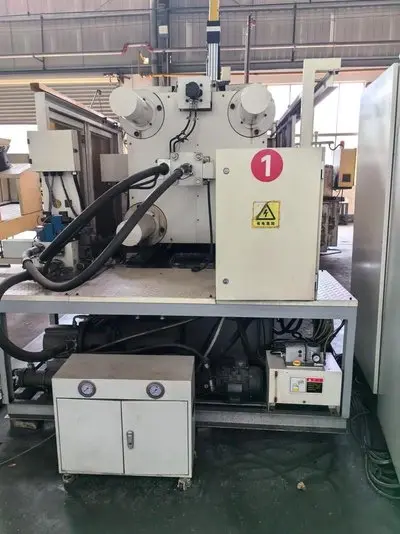
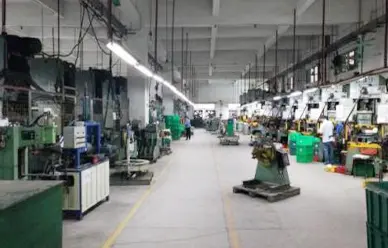
Factory Floor & Machining Infrastructure
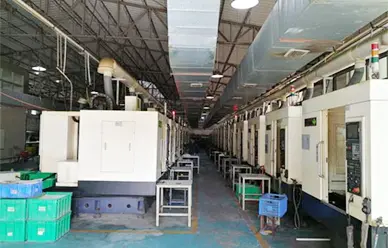
Structured Manufacturing Protocol
From CAD Concept to Certified Batch Delivery
A rigorous, documented stage-gate process ensures total design protection, early risk mitigation, and verified conformance before shipping overseas.
01
Inquiry & NDA
Initial drawing transfer under mutually signed bilateral non-disclosure agreement to safeguard proprietary IP.
02
DFM & Moldflow
Comprehensive mold filling simulation analyzing gate positions, shrinkage allowances, and draft angles within 24h.
03
Tooling Fabrication
Cavity machining on 5-axis CNC & mirror-finish EDM, followed by diamond polish up to SPI A-1 optical finish.
04
T1 Samples & FAI
First article injection trial measured on Zeiss CMM. Complete inspection dossier submitted for customer sign-off.
05
Volume Run & Logistics
Mass production in controlled cleanroom environments, protective film lamination, vacuum crating, and direct export.
Procurement & Technical FAQ
Frequently Asked Questions on Acrylic Molding & CNC Integration
Direct technical answers addressing the concerns of overseas project directors, quality auditors, and supply chain managers.
How does Sunmy prevent sink marks and voids in thick-walled acrylic molded components?
PMMA acrylic exhibits high volumetric shrinkage during phase transition from liquid to solid. In sections exceeding 4-6 mm, conventional injection results in vacuum voids and surface sink marks. Sunmy resolves this through two specialized techniques: Injection Compression Molding (ICM), where mold cavities slightly open during injection and re-compress under high hydraulic tonnage as the core cools; and Multi-stage sequential packing pressure profiles coupled with pressurized oil-based conformal mold heating circuits that equalize cooling across the entire geometry.
Can you hold tolerances down to ±0.005 mm on combined CNC machined & molded parts?
Yes. While raw injection molding typically achieves tolerances around ±0.05 mm to ±0.1 mm due to polymer shrinkage, Sunmy bridges this gap by deploying secondary in-line 5-axis CNC machining. Once the molded acrylic part stabilizes post-annealing, critical bearing seats, O-ring seal grooves, and optical mounting surfaces are CNC milled and single-point diamond turned (SPDT) to achieve final critical feature tolerances of ±0.005 mm.
What quality documentation and material certifications accompany each export batch?
Every shipment leaving our Shenzhen factory includes a comprehensive Quality Release Package: (1) Original raw material resin certifications from certified manufacturers (such as Evonik Plexiglas, Mitsubishi Chemical, or Arkema Altuglas); (2) RoHS and REACH substance compliance declarations; (3) Full-parameter First Article Inspection (FAI) reports; (4) CMM dimensional measurement sheets mapping all GD&T callouts; and (5) Spectrophotometer optical transmission test graphs upon request.
How does Sunmy protect overseas clients' intellectual property and proprietary CAD models?
We operate with rigorous data integrity standards. Prior to transferring any STP, STEP, IGES, or 2D technical drawings, we execute an enforceable bilateral Non-Disclosure Agreement (NDA). Because customers interface directly with Sunmy Hardware's factory engineering team in Shenzhen rather than third-party trading middlemen, your proprietary tooling data remains securely stored on encrypted internal servers with restricted role-based engineering access.
What are standard lead times for rapid tooling, T1 samples, and mass production runs?
For prototype and bridge tooling (aluminum or pre-hardened steel P20), T1 samples are typically dispatched within 12 to 18 calendar days following DFM approval. For hardened production molds (S136, H13 hardened to 52 HRC), tooling build cycles average 25 to 35 business days. Once tooling is validated and approved, mass production orders are typically molded, inspected, packed, and released for international air or sea freight within 10 to 14 days.
Precision Turned, Milled & Optical Parts
Specialized Sub-Assemblies & Multi-Axis Hardware
Browse our advanced mechanical portfolio produced via 5-axis CNC machining, precision Swiss turning, and optical assembly techniques for global innovators.
5-Axis Impellers
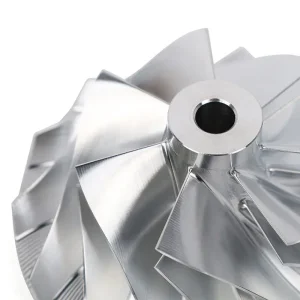
Custom 5-Axis CNC Machined Billet Aluminum Impeller Compressor Wheel
View Product Specs