Precision Engineering Portfolio
Featured Precision Component Assemblies (Set A)
Direct OEM/ODM production spanning high-tolerance vacuum blocks, optical breadboards, capillary tubes, and hybrid mechanical-electronic subassemblies.
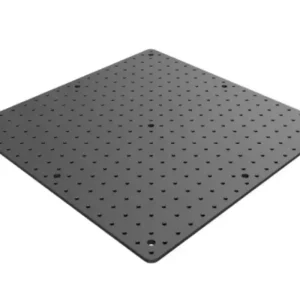
China OEM Custom Precision CNC Machining Non-Standard Solid Aluminum Optical Breadboard Product, Factory
View Specifications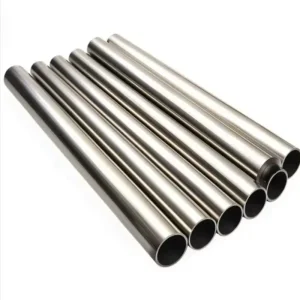
High-Quality Custom Precision Capillary Stainless Steel Pipe / Tube (OD 1mm - 8mm) Supplier, Factory
View Specifications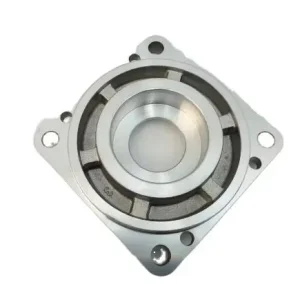
OEM Custom CNC Machining Parts / Precision Bearing Housings / Flanged Bearing Support Components Manufacturers, Service
View Specifications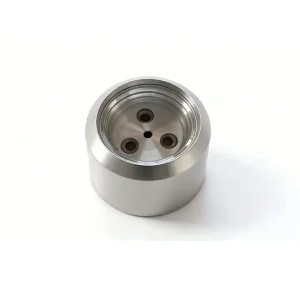
High-Quality Precision CNC Machined High-Voltage Insulator Contact Base Service, Factory
View Specifications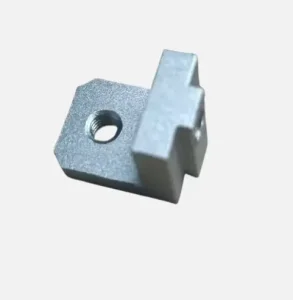
Custom Custom CNC Milled Aluminum Alloy Right Angle Mounting Bracket Manufacturer, Supplier
View Specifications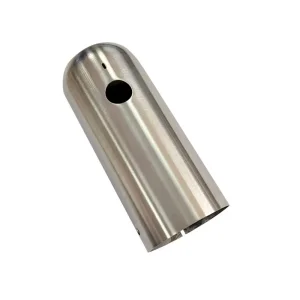
China Custom Precision CNC Turned Medical Sleeve Bushing Suppliers, Factory
View Specifications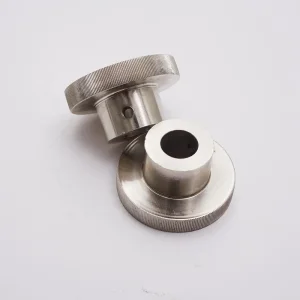
High-Quality CUSTOM CNC KNURLED FEED ROLLERS FOR PACKAGING MACHINERY Products, Factories
View Specifications
Industrial Engineering White Paper
The Modern Paradigm of Precision Electronics Molding
Engineering electronics molding demands the fusion of nanoscale rheological control, sub-five-micron steel tooling, electromagnetic interference (EMI) attenuation, and automated high-throughput production.
Tooling Tolerance
±0.003mm
Wire-EDM and high-speed graphite milling precision for multi-cavity electronic molds.
Thin-Wall Capability
0.35mm
Ultra-thin structural walls achieved without warping using LCP and specialized high-flow resins.
First-Pass Yield
99.4%
Automated optical inspection (AOI) and closed-loop cavity pressure monitoring.
Lead-Time Compression
12Days
Rapid prototype tooling to T1 production samples with comprehensive DFM & Moldflow verification.
Micro-Precision Mold Architecture
Electronic components continue their aggressive miniaturization trajectory. High-density interconnects, multi-pin sensor headers, and sub-miniature camera barrels necessitate mold cores built with sub-micron spark erosion and precision jig grinding. Every thermal expansion coefficient must be calculated to prevent micro-flash at parting lines under 180-ton clamping pressures.
- S136, NAK80, and Assab Stavax tool steels hardened to 52-54 HRC
- Sub-micron mirror polish for optical waveguide applications (SPI A-1)
- Dynamic conformal cooling circuits reducing cycle times by 32%
Engineered Polymer Rheology
Modern consumer and industrial electronics operate under hostile thermal, dielectric, and mechanical environments. Standard commodity plastics fail to provide the dimensional stability, dielectric breakdown resistance, and flammability compliance required for next-generation telecommunication hubs, automotive ECUs, and medical diagnostic hardware.
- PEEK, PPS, and LCP engineering resins with up to 40% glass fiber loading
- UL94 V-0 flame-retardant polycarbonates (PC/ABS blends)
- Thermally conductive plastics (up to 15 W/m-K) for passive heat sinking
Insert & 2K/3K Overmolding Integrity
Overmolding stamped copper lead frames, busbars, and elastomeric seals directly into a structural casing eliminates manual assembly while yielding IP67/IP68 ingress protection. Achieving hermetic metal-to-polymer bonding requires rigorous thermodynamic balancing, precise lead-frame preheating, and non-destructive acoustic or optical leak verification.
- Continuous reel-to-reel stamping-to-molding high-speed automation
- Dual-shot (2K) thermoplastic elastomer (TPE/TPU) tactile overmolding
- Elimination of creepage and clearance electrical failures via GD&T control
Process Engineering Trade-Offs
Electronics Housing & Chassis: Process Comparison Matrix
Selecting between high-cavitation injection molding, multi-axis CNC machining, structural die casting, and sheet stamping dictates tooling amortization, mechanical rigidity, and production unit economics.
| Evaluation Parameter | Precision Plastic Injection Molding | Multi-Axis CNC Machining | Aluminum/Zinc Die Casting | Progressive Sheet Metal Stamping |
|---|---|---|---|---|
| Primary Application | Complex housings, internal snap-fits, optical lens barrels, multi-pin connectors | Low-volume prototypes, RF cavities, optical breadboards, vacuum manifolds | EMI-shielded chassis, high-strength heat sinks, automotive ECU covers | Shielding cans, spring ground contacts, busbars, electrical laminations |
| Dimensional Tolerance | ±0.010 to ±0.025 mm | ±0.005 to ±0.010 mm | ±0.025 to ±0.050 mm | ±0.015 to ±0.030 mm |
| Tooling Investment & Lead Time | High initial tooling ($3,500 - $35,000+); 12 to 28 days for T1 mold trial | Zero mold tooling; immediate fixture setup within 24 to 72 hours | Substantial steel tooling ($6,000 - $45,000+); 25 to 40 days | High progressive die cost ($4,000 - $25,000); 15 to 30 days |
| Material Diversity | PC, ABS, PBT, LCP, PEEK, PA66+GF, TPU, Silicone (LSR) | AL6061-T6, AL7075, Stainless 304/316L, Brass, POM, PEEK | A380, ADC12, AlSi10Mg, Zamak 3, Zamak 5 | SECC, SPCC, Beryllium Copper, Brass, SUS301/304 |
| Thermal & EMI Performance | Requires conductive additives, PVD, or secondary vacuum metallization | Native electrical conductivity; superior passive heat dissipation | Outstanding native thermal conduction and robust Faraday cage shielding | High electrical conductivity; optimal for discrete RF compartment lids |
| Unit Economics at Scale | Lowest unit cost for runs > 5,000 pcs | Economical only for < 500 pcs or high-mix low-volume | Highly competitive for medium-to-high runs (2,000 to 100k+) | Extremely low for mass scale (> 50,000 pcs) |
Supply Chain & Ecosystem Resilience
Strategic Advantages of Chinese Precision Electronics Molding Factories
Shenzhen and the Pearl River Delta / Greater Bay Area represent the world's most concentrated cluster of mold base fabrication, wire-EDM metallurgy, resin blending, and electronic contract manufacturing.
Sub-Hour Supply Chain Proximity
In Shenzhen's hardware clusters, specialized suppliers for mold bases (Futaba/LKM standards), precision hot runner manifolds (Yudo, Mold-Masters), customized ejector pins, and copper electrodes are localized within a 30-kilometer radius. This hyper-dense supply chain cuts tooling procurement lead times from months to mere days, permitting rapid engineering change orders (ECO) without stalling production schedules.
Hybrid Toolmaking: CNC ±0.005mm Interlock
Leading Chinese factories do not view injection molding in isolation. By integrating internal 5-axis CNC machining, Swiss-type CNC lathes, and wire-cut electrical discharge machines (Sodic/Makino EDM), facilities machine critical core/cavity inserts with micron-level tolerances. Hybrid tooling allows manufacturers to transition seamless multi-cavity plastic tools into final assembled metal-plastic electronics enclosures under one accountable roof.
Agile Tooling & Flexible Scaling
Western tier-1 brands frequently encounter rigid MOQ requirements from domestic toolmakers. Chinese electronics molding partners offer tiered scaling strategies: rapid aluminum tooling (P20 steel or 7075-T6) for 500-unit pilot runs, transitioning into hardened steel multi-cavity Class 101 molds capable of 1,000,000+ continuous cycles. This flexibility drastically de-risks initial capital expenditures during new product introduction (NPI).
Deployment Topologies
Mission-Critical Electronics Molding Applications
From harsh automotive under-hood enclosures to bio-inert medical telemetry monitors, electronics molding must solve unique thermo-mechanical and electromagnetic challenges across vertical markets.
1. IoT Smart Edge Computing & Rugged Sensors
Industrial IoT gateways deployed in remote agricultural, utility, or offshore oil facilities experience extreme UV exposure, cyclic temperature shocks (-40°C to +85°C), and dust/moisture exposure. Precision electronics molding deploys UV-stabilized polycarbonate/PBT blends with integrated overmolded silicone gaskets (LSR) to achieve true IP68 ingress sealing, preventing moisture ingress at internal antenna and sensor interfaces.
- Flame retardancy rated to UL94 5VA/V-0
- Molded-in brass threaded inserts for anti-vibration screw assembly
2. Automotive EV Battery Management & ADAS
Electrified vehicles operate with 400V to 800V DC architectures. Molding battery module separators, cell contact systems, and inverter enclosures requires dielectric strength exceeding 25 kV/mm, dimensional stability against thermal creep, and exact insertion of high-current copper busbars without air voids that might induce partial electrical discharge.
- PA66+35%GF and PPS with Comparative Tracking Index (CTI) > 600V
- ADAS radar radomes molded with controlled permittivity and low dielectric loss
3. Medical Diagnostic Devices & Point-of-Care Handhelds
Point-of-care ultrasound housings, blood analyzer cartridges, and wearable vital sign monitors require medical-grade biocompatible resins (USP Class VI, ISO 10993) capable of withstanding repetitive disinfection using quaternary ammonium solutions and hospital-grade isopropyl alcohol without environmental stress cracking (ESC).
- Class 100,000 cleanroom injection molding environments
- Optical-grade cyclo-olefin polymers (COP/COC) for microfluidic channels
4. 5G RF Infrastructure & Optical Transceivers
High-frequency optical transceiver subassemblies (QSFP-DD and OSFP form factors) mandate sub-five-micron lens arrays and ferrules where core concentricity directly dictates optical insertion loss. Micro-injection molding with Liquid Crystal Polymers (LCP) yields ultra-low mold shrinkage, near-zero moisture absorption, and precise pin pitch retention across wide operating ranges.
- Pitch tolerances between fiber channels held within ±0.002 mm
- Conductive vapor deposition (PVD) shielding layers preventing cross-talk
5. Consumer Audio & Wearable Acoustics
True Wireless Stereo (TWS) earbuds, smart rings, and AR/VR headsets demand structural rigidity in sections under 0.6 mm. Two-shot overmolding bonds high-modulus structural skeletons with skin-safe, sweat-resistant silicone or TPU outer wraps, while internal micro-acoustic chambers must maintain sub-cubic-millimeter volume tolerances for frequency curve fidelity.
- Zero-weldline cosmetic finishes via induction-heated mold surfaces (RHCM)
- Acoustic cavity dampening via engineered density-tuned polymer blends
6. Aerospace & Defense Avionics Flight Controls
Replacing heavy die-cast metal brackets with structural carbon-fiber reinforced polyetheretherketone (PEEK+CF) yields weight savings of 40-55% while maintaining tensile strength above 220 MPa. Specialized mold designs incorporate high-temperature cartridge heaters maintaining mold temperatures up to 210°C to achieve complete polymer crystallization.
- Flammability, smoke density, and toxicity compliance (FAR 25.853)
- Complete batch traceability with raw resin certs and FAI CMM reports
Engineering Methodology
Macro Solutions: Moldflow DFM, Tool Steel Hardening & Yield Optimization
Overcoming common mold failure modes—warpage, sink marks, air traps, and differential shrinkage—requires an integrated scientific molding workflow backed by computational simulation.
1. Scientific Moldflow Thermal Simulation
Before cutting tool steel, Autodesk Moldflow simulations evaluate volumetric shrinkage, filling imbalances, shear stress, and fiber orientation in filled polymers. By optimizing gate locations (valve gates, submarine gates, fan gates), engineers relocate weld lines outside critical mechanical stress zones and away from cosmetic viewing surfaces, preventing structural splitting during drop tests.
2. Cavity Pressure Closed-Loop Control
Modern high-speed electric injection molding machinery (Sumitomo, Fanuc, Engel) utilizes in-cavity piezoelectric pressure and temperature sensors. By switching from injection velocity control to packing pressure based on real-time cavity pressure (V/P transfer), weight variation between shots drops below 0.05%, eliminating flash and sink marks even amidst resin batch viscosity variations.
3. Secondary EMI Shielding & Surface Finishing
When standard engineering plastics require electromagnetic compatibility (EMC), suppliers provide selective conductive coatings (Cu-Ni electroless plating, vacuum sputtering, conductive carbon inks), laser engraving of internal trace guides, ultrasonic insert welding, and precision pad printing/laser marking for regulatory compliance labeling (CE, FCC, RoHS).
Supplier Quality Assurance
What Global Sourcing Directors Demand in Electronics Molding Audits
Evaluating contract molders requires vetting beyond quote price. Tier-1 electronics manufacturers audit intellectual property management, quality management systems, and metrology capabilities.
Metrology & Coordinate Measuring Machines
Trust relies on verification. World-class factories maintain in-house temperature-controlled quality laboratories equipped with Zeiss/Mitutoyo bridge CMMs, optical profile projectors, 3D laser scanners for full color-map deviation analysis, and melt flow index (MFI) testers to verify resin virginity against regrind limits.
- First Article Inspection (FAI) reports per AS9102 / ISO standards
- Statistical Process Control (SPC) yielding Cpk > 1.67 on critical dimensions
Rigorous IP Protection Protocols
To safeguard customer CAD/STEP data and pre-release consumer electronics designs, suppliers must implement strict information barriers: bilateral NDAs executed prior to data transfer, air-gapped internal servers, encrypted file systems, and restricted facility access to high-security tooling and prototype assembly bays.
- Direct factory engineering interface—no non-technical trading middlemen
- Isolated T1 testing and pre-launch assembly rooms with strict NDAs
Regulatory & Environmental Compliance
Electronics distributed across the European Union, North America, and Japan face intense chemical compliance regulations. A reliable supplier must provide lot-traceable raw material certificates, masterbatch certifications, and independent laboratory test reports verifying conformity.
- Full compliance with RoHS 3 (EU 2015/863) and REACH SVHC
- UL Yellow Card verification for all flame-retardant resins
Industry Horizon
Emerging Technological Trends in Precision Molding
Technological convergence is reshaping tooling operations: In-Mold Electronics (IME), micro-optics, circular bio-polymers, and AI-driven autonomous molding cells.
In-Mold Electronics (IME) & Structural Electronics
By printing conductive silver traces, capacitive touch buttons, and surface-mount LEDs onto a flexible film before thermoforming and injection overmolding, IME eliminates discrete internal PCBs and wires. This produces single-piece, featherlight control surfaces for automotive dashboards, smart home controls, and wearable medical interfaces.
Post-Consumer Recycled & Bio-Based Resins
Global consumer electronics enterprises demand carbon-neutral supply chains. Modern precision molders formulate with Post-Consumer Recycled (PCR) polycarbonates (up to 85% PCR content) and bio-based polyamides derived from non-food castor beans that match virgin resins in tensile modulus, impact resistance, and aesthetic coloration.
AI-Driven Adaptive Molding & Automated Lights-Out Cells
Machine learning algorithms integrated directly with injection molding barrels continuously monitor melt viscosity fluctuations, ambient humidity, and mold temperature shifts. The machine autonomously fine-tunes holding pressure profiles, injection speed, and barrel zone temperatures to sustain near-zero scrap rates across 24/7 lights-out shifts.
Engineering Knowledgebase
Frequently Asked Questions (FAQ) for Sourcing Teams
Straightforward answers regarding precision tolerances, mold longevity classifications, resin compatibility, lead times, and global shipping protocols.
What tolerances can your electronics molding processes reliably hold?
On critical features for engineering thermoplastics (such as unreinforced PC, ABS, and POM), we hold standard molding tolerances of ±0.025 mm (±0.001 in). For micro-molding applications using high-performance crystalline resins like LCP, PEEK, or PEI, critical feature tolerances can be controlled to ±0.010 mm (±0.0004 in) under climate-controlled conditions. Core-to-cavity alignment on tooling is maintained within ±0.003 mm through optical jig boring and wire-EDM. All achievable tolerances depend on part geometry, wall uniformity, gate location, and resin shrink rate, which are validated during the initial DFM review.
How do you guarantee tooling life and cavitation integrity?
We build and classify molds according to the Society of the Plastics Industry (SPI) standards. For mass-production programs, we utilize SPI Class 101 tooling constructed with hardened tool steel inserts (Assab Stavax ESR, S136, or 1.2343 hardened to 50-54 HRC) capable of exceeding 1,000,000 shots. Molds undergo scheduled preventative maintenance protocols every 50,000 cycles, including ultrasonic runner clean-out, parting-line re-stoning, lubrication of guided ejection plates, and replacement of consumable wear components at zero cost to the client throughout the mold life guarantee.
Can you provide combined multi-process assemblies (CNC + Stamping + Overmolding)?
Yes. This is our core differentiator. Many electronics enclosures require a hybrid bill of materials: stamped phosphor-bronze spring contacts, CNC-machined 6061-T6 aluminum heat sink chassis, and a plastic-injected aesthetic shell. Rather than coordinating three disconnected suppliers, our in-house facility produces the stamped and CNC-machined components, inserts them into custom multi-shot or insert tooling, and delivers a fully assembled, 100% CMM-inspected, tested module directly to your box-build line.
How do you address sink marks and warpage in thin-wall electronic enclosures?
Sink marks and warpage stem from uneven volumetric shrinkage and differential cooling rates across varying wall sections. In our initial DFM stage, we enforce rib-to-wall thickness ratios between 40% to 60% of the adjacent nominal wall, incorporate generous coring techniques, and position conformal cooling channels equidistant from cavity surfaces. Furthermore, Moldflow analysis determines optimal gate sizing and packing profiles to ensure the center of thick sections remains pressurized until gate freeze occurs.
What quality documentation and traceability data are provided with shipments?
Every shipment includes a comprehensive quality dossier: First Article Inspection (FAI) reports with full balloon drawings, raw material certificates (verifying virgin polymer lot numbers, melt flow rate, and filler percentages), RoHS 3 and REACH compliance declarations, and CMM dimensional inspection reports for key GD&T callouts. For automotive or medical grade contracts, we support PPAP Level 3 documentation, including PFMEA, process flow charts, and Gage R&R studies.
How fast can you deliver prototypes versus production tooling?
For rapid validation, we supply 3D-printed (SLA/SLS) or multi-axis CNC-machined prototype parts in true engineering resins within 3 to 5 business days. Rapid pre-hardened steel (P20 / NAK80) tooling for 1,000 to 10,000 units can produce T1 sample parts within 10 to 15 business days. Full multi-cavity Class 101 production molds generally require 20 to 28 business days from final 3D DFM sign-off to first shot off-tool, inclusive of comprehensive CMM measurement reviews.
Advanced Manufacturing Showroom
Featured Precision Component Assemblies (Set B)
Explore our precision-turned optoelectronic lens barrels, titanium implant abutments, semiconductor wafer carriers, and high-frequency test probe pins.
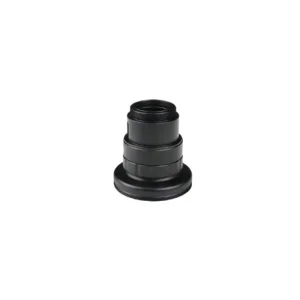
OEM Custom Precision CNC Turned Black Anodized Aluminum Lens Barrel Optical Housing Components Manufacturer, Product
View Specifications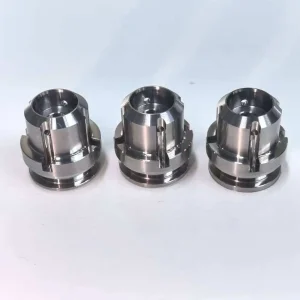
High-Quality Custom Precision Turned Stainless Steel Valve Component Exporter, Factories
View Specifications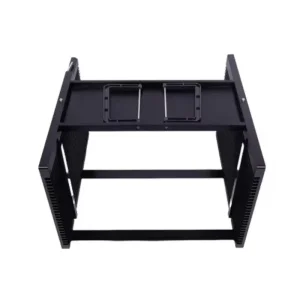
OEM Premium 8-Inch CNC Machined Aluminum Semiconductor Wafer Carrier Factories, Quotes
View Specifications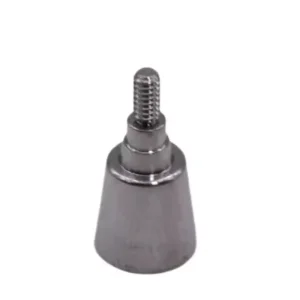
Custom Custom CNC Turned Titanium Abutment Implant Driver & Prosthetic Connector Manufacturers, Product
View Specifications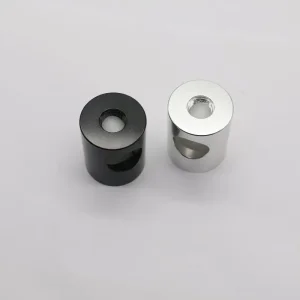
High-Quality Custom Precision CNC Turned Stainless Steel Medical Components Products, Exporter
View Specifications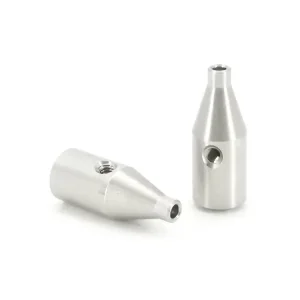
China Custom CNC Turned Aluminum Nozzle & Adapter Bodies Exporter, Factory
View Specifications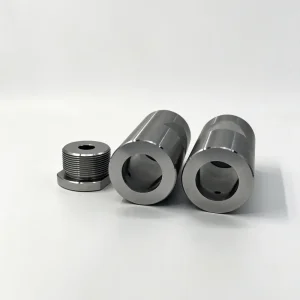
China Custom CNC Turned Tooling Sleeves & Threaded Retaining Plugs Products, Exporter
View Specifications