
Precision Robotic & Hardware Components Showcase
Advanced tooling, CNC turn-milled mechanisms, and high-tolerance engineered assemblies built to complement mission-critical plastic housings and multi-material integrations.
The Global Commercial Reality of Custom Plastic Housings
Why modern hardware enterprises are transitioning from standard off-the-shelf plastic enclosures to dedicated ODM high-precision injection tooling and co-engineered polymer solutions.
Structural Miniaturization
Global hardware architecture requires enclosures that do not merely act as cosmetic covers, but function as primary mechanical load-bearing chassis. Modern consumer electronics, medical wearables, and edge AI computers integrate snap-fit geometries, living hinges, and internal ribs with wall thickness variations held below 0.1 mm to prevent differential shrinkage and warpage.
- Elimination of internal secondary metal chassis
- Direct integration of ultrasonic threaded brass bosses
- FEA-optimized flexural ribs for drop-impact dissipation
Thermal & Dielectric Demands
As IoT gateway processors, 5G transceivers, and EV battery sensor modules operate under elevated clock frequencies, polymer housings face rigorous heat dissipation and electromagnetic constraints. OEMs require thermally conductive plastics (TCPs) reaching 1.0 to 15.0 W/m·K and UL 94 V-0 flame ratings to maintain structural integrity under high continuous operating temperatures.
- Elimination of hot spots without heavy aluminum heatsinks
- Low dielectric loss tangents for 5G mmWave antenna radomes
- UL 746C f1 weatherability certification for outdoor deployments
Supply Chain Regionalization
Tier-1 hardware OEMs can no longer rely on unvetted trading vendors. Sourcing demands direct factory engagement with ISO 9001 and ISO 13485 accredited tooling and molding facilities capable of providing raw material spectrometer verification, full First Article Inspection (FAI) reports, in-house CMM dimension validation, and seamless transition from rapid prototypes to high-cavitation steel tooling.
- Direct factory DFM review within 24 hours
- Strict intellectual property control under mutual NDA
- Mold life guaranteed up to 1,000,000 shots (SPI Class 101)
High-Performance Resins for Demanding Enclosures
Selecting the precise polymer formulation dictates thermal endurance, chemical compatibility, impact strength, and aesthetic tactile quality.
| Resin Classification | Common Blends | Tensile / Flexural Modulus | Heat Deflection (HDT @ 1.8 MPa) | Primary Industrial Application Scenarios |
|---|---|---|---|---|
| Polycarbonate / ABS Blends | PC/ABS Flame Retardant | 2,300 – 2,700 MPa | 105°C – 125°C | Telecommunication routers, medical desktop monitors, EV charging station handheld housings, and industrial HMI display frames. |
| Polyamides (Nylon Engineered) | PA66-GF30 / PA6-GF50 | 8,500 – 15,000 MPa | 210°C – 250°C | Robotic arm joint covers, automotive engine-bay electronics, ruggedized power tool shells, and high-vibration pump casings. |
| Polyetherimide (PEI) | Ultem™ 1000 / 2300 | 3,200 – 9,000 MPa | 190°C – 215°C | Autoclavable surgical device housings, aerospace sensor pods, downhole telemetry canisters, and high-voltage circuit enclosures. |
| Polyether Ether Ketone | PEEK 450G / CF30 | 3,800 – 21,000 MPa | 160°C – 315°C | Implantable medical electronics, semiconductor wafer handling housings, and harsh chemical exposure enclosures replacing stainless steel. |
| PBT / ASA Formulations | PBT-PET / ASA UV-Stable | 2,400 – 4,500 MPa | 90°C – 140°C | Outdoor solar micro-inverter enclosures, smart agriculture wireless telemetry nodes, and marine radar dome shells. |
High-Precision Mold Tooling & Moldflow Validation
From micro-cavity CNC electro-discharge machining (EDM) to closed-loop scientific injection molding, eliminating defects before cutting tool steel.
Advanced Moldflow CAE
Every housing geometry undergoes non-Newtonian polymer fill, pack, cool, and warp simulation. We predict weld line positioning, air traps, fiber orientation, and volumetric shrinkage, adjusting gate locations prior to steel tooling manufacturing.
Premium Tool Steels
Tooling longevity dictates part-to-part consistency across hundreds of thousands of cycles. We employ vacuum heat-treated ASSAB S136, NAK80, 1.2343, and 718H tool steels, maintaining optical polish SPI A1 down to textured EDM finishes.
Scientific Molding Control
Injection presses utilize cavity pressure sensors and real-time hydraulic/servo feedback to maintain identical shear rates and melt viscosity windows. This dynamic process control prevents flash, short shots, and dimensional drift across production shifts.
2K & Overmolding Mastery
Dual-shot rotary platen molding bonds soft elastomer grips (TPU, TPE, silicone) directly to structural thermoplastic skeletons (PC/ABS, PA-GF), providing seamless IP67 hermetic seals without secondary manual assembly operations.
Localized Industry Scenarios & Tailored ODM Solutions
Engineered plastic housings purpose-built to survive rigorous operating environments across critical B2B market sectors.
Medical Diagnostics & Patient Monitors
Medical handhelds and bedside diagnostic devices demand chemical resistance against harsh hospital-grade disinfectants (such as quaternary ammonium compounds and bleach) without environmental stress cracking (ESC). Housings are engineered in biocompatible USP Class VI resins with antimicrobial surface treatments.
- ISO 13485 compliant manufacturing protocols
- Zero particulate clean-room post-curing and packaging
- Ultrasonic welding of acoustic sensor diaphragms
Industrial Automation & Edge Gateways
Harsh factory floor enclosures must resist airborne oils, heavy mechanical impacts (IK08 to IK10 standards), and continuous electrical noise. We combine heavy-wall flame-retardant polyamides with selective conductive nickel-copper painting on internal cavities to ensure EMI/RFI attenuation up to 60 dB.
- Form-in-Place (FIP) silicone gaskets achieving IP67/IP68
- DIN-rail integrated mounting clips and screw bosses
- Laser-etched QR codes for batch traceability
Automotive & Smart Mobility Sensor Pods
LiDAR, radar, and camera sensor pods require low-loss dielectric performance paired with automotive environmental durability from -40°C to +125°C. Sunmy Hardware manufactures multi-piece housings with hermetically sealed optical-grade PMMA/PC lenses and integrated hydrophobic venting membranes.
- Automotive salt-spray and thermal shock resistance
- In-mold brass insert placement for rigid vehicle bolting
- Tight concentricity for high-precision optical alignment
Engineering Roadmap for Next-Gen Plastic Housings
Pioneering advancements across material circularity, embedded electronics, and automated cognitive manufacturing.
Bio-Polymer & PCR Transition
Adoption of post-consumer recycled (PCR) resins and bio-based polyamides meeting automotive UL-94 certifications without loss of tensile modulus or drop impact strength.
3D Molded Interconnect Devices
Laser Direct Structuring (LDS) integrating conductive antenna and circuit traces directly into the three-dimensional interior surface of the molded plastic housing wall.
Micro-Conformal Cooling Tooling
Direct metal laser sintered (DMLS) 3D printed tool steel cores with conformal water lines, reducing injection cycle times by 35% and completely resolving localized sink marks.
AI-Vision Closed-Loop QC
Real-time optical coordinate inspection arrays monitoring 100% of ejected parts, automatically adjusting holding pressure and cooling cycles when sub-micron dimensional drift occurs.
Self-Healing Smart Surfaces
Next-generation polyurea and polyurethane top-coatings integrated directly within the mold tool (In-Mold Coating - IMC) providing self-healing scratch resistance for consumer interfaces.
Frequently Asked Engineering & Procurement Questions
Clear, unvarnished technical answers regarding tooling ownership, DFM protocols, lead times, and global supply chain validation.
What tolerances can be reliably maintained across high-volume plastic injection molded housings?
Achievable tolerances depend primarily on resin shrinkage characteristics and part geometry. For amorphous polymers like PC/ABS, ABS, and PMMA, Sunmy routinely holds general linear dimensions to ±0.05 mm, with critical bore diameters and snap-fit clearances controlled down to ±0.02 mm. For semi-crystalline materials (such as PA66, POM, and PEEK) where shrinkage is higher and anisotropic, tolerances of ±0.05 mm to ±0.10 mm are standard. All critical GD&T parameters are validated during the comprehensive First Article Inspection (FAI) with our in-house Coordinate Measuring Machine (CMM).
Who owns the injection mold tooling, and how is customer intellectual property protected?
The client retains 100% full legal ownership of the mold tooling once tooling payments are completed. Tooling is maintained, insured, and stored in our climate-controlled tooling library exclusively for your production runs. Before CAD drawings or STEP files are received, Sunmy Hardware executes an enforceable Non-Disclosure Agreement (NDA). Communication is conducted directly with our Shenzhen engineering staff, ensuring drawings and manufacturing data are never shared with or subcontracted through third-party trading intermediaries.
How does Sunmy Hardware solve EMI/RFI shielding requirements in lightweight plastic enclosures?
We provide multiple fully qualified in-house and partner processes for shielding sensitive internal electronics. The primary approach is robotically applied selective conductive paint (nickel, copper, or silver-based formulations) delivering 40 dB to 80 dB attenuation from 30 MHz to 1.5 GHz. For ultra-demanding aerospace and military enclosures, we execute vacuum metallization (aluminum deposition) or electroless copper-nickel plating, as well as overmolding internal stamped sheet metal Faraday cages and installing custom beryllium copper spring-finger contacts.
What is the standard lead time for prototyping, rapid tooling, and production hardened steel molds?
For concept validation, high-precision CNC machined plastic prototypes or SLA/SLS 3D prints are delivered in 3 to 5 business days. Rapid bridge tooling (using aluminum 7075 or pre-hardened P20 steel) delivers T1 samples in 12 to 18 calendar days. Full-production hardened multi-cavity Class 101 mold tooling (utilizing ASSAB S136 or H13 tool steel with hot-runner systems) typically requires 25 to 35 business days from final DFM sign-off to full FAI documentation and pre-production approval.
Which quality certifications and batch test documentation accompany export shipments?
Every export shipment from our Shenzhen factory includes traceable raw material spectrometer and resin batch certificates, RoHS / REACH compliance declarations, 100% CMM dimensional inspection reports for designated critical features, and First Article Inspection (FAI) documentation according to AS9102 or ISO standards. Color matching is strictly controlled using spectrophotometers to ΔE < 0.8 according to specified Pantone or RAL swatches.
Precision Turned, Milled & Custom Mechanical Assemblies
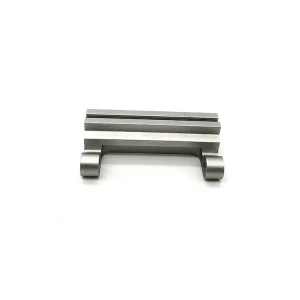
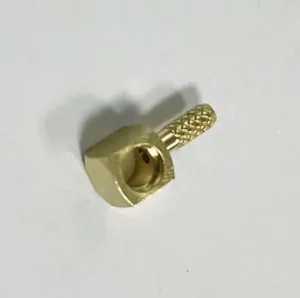
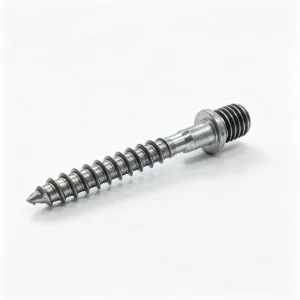
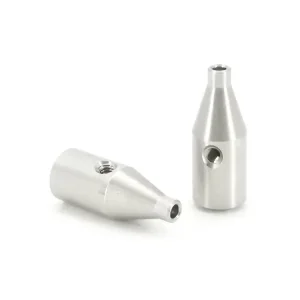
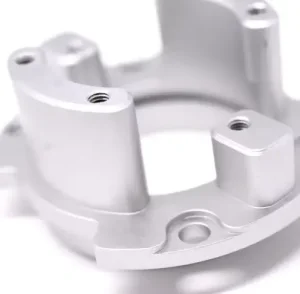
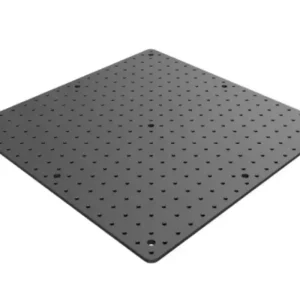
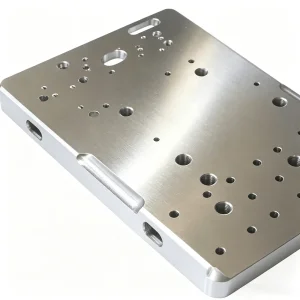
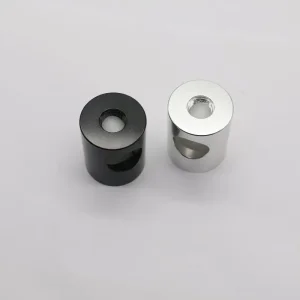
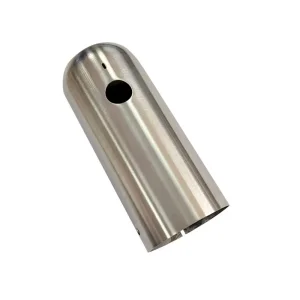
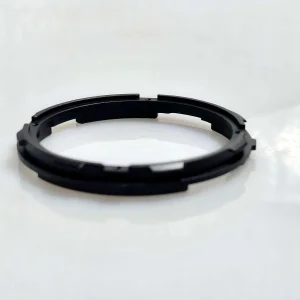
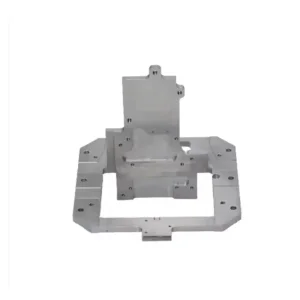
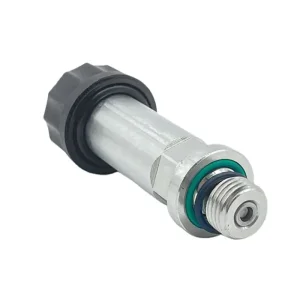
Explore our co-engineered structural components: 5-axis CNC mounting frames, optical breadboards, medical sleeves, and hydraulic valving built in tandem with custom molded housings.
Initiate Your Plastic Housing DFM Review & Direct Tooling Quote
Send your CAD files (.STEP, .STP, .X_T, or .IGES) directly to our Shenzhen factory engineers. Receive comprehensive Moldflow feedback, parting line analysis, gate location recommendations, and transparent tooling quotation within 24 hours.