
Engineered Low-Volume Tooling & Precision CNC Components
Explore our tight-tolerance precision parts manufactured using rapid tooling, hybrid mold bases, and multi-axis CNC subtractive operations configured specifically for bridge-to-market production runs.
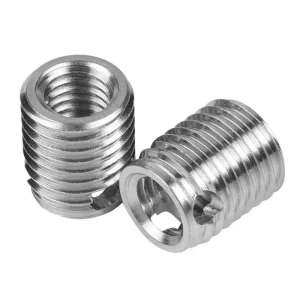
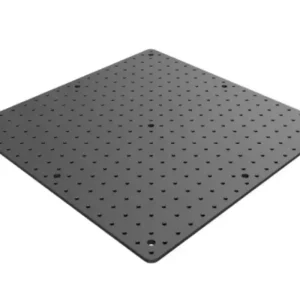
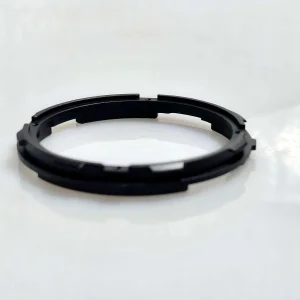
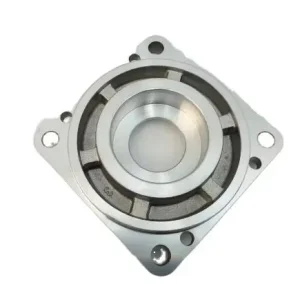
The Economics of Low-Volume Injection Molding in Modern Manufacturing
Global product lifecycles have contracted by over 45% in the last decade. Hardware startups, MedTech disruptors, and tier-1 automotive innovators no longer commit upfront capital to $80,000 multi-cavity steel molds before market validation. Low volume injection molding (typically 250 to 50,000 shots) has emerged as the definitive bridge manufacturing framework.
Capital Efficiency & Amortization
Traditional steel tooling demands massive multi-cavity amortizations over hundreds of thousands of parts. Our modular Master Unit Die (MUD) bases and semi-hardened aluminum (Alumec 89 / QC-10) or P20 steel cut initial capital commitments by 60% to 75% without sacrificing functional tolerances or resin choices.
Velocity-Driven Iteration Cycles
Engineering changes (ECNs) on production-hardened tool steel can lead to 6-8 weeks of downtime and catastrophic re-machining costs. Low-volume tooling allows rapid localized electrode EDM rework, core/cavity insert replacements, and mold modifications within 48 to 72 business hours.
Production-Grade Material Integrity
Unlike 3D printing and polyurethane vacuum casting, low-volume injection molding utilizes 100% production-spec thermoplastic resins (PEEK, Ultem, PA66-GF30, PC/ABS, TPU). You receive true anisotropic molecular flow, weld-line stability, and authentic mechanical endurance testing records.
Comparative Process Matrix: Prototypes vs. Low-Volume vs. High-Volume
Select the optimum manufacturing path according to program budget, volume trajectory, and regulatory audit demands. Sunmy Hardware guides engineering buyers toward the lowest Total Cost of Acquisition (TCA).
| Evaluation Parameter | Rapid Prototyping (3D / Vacuum Casting) | Sunmy Low-Volume Molding (Bridge Tooling) | Conventional High-Volume Production |
|---|---|---|---|
| Typical Run Quantity | 1 – 50 parts | 100 – 50,000 parts | 100,000 – 5,000,000+ parts |
| Tooling Material | None / Silicone RTV Molds | QC-10 Aluminum, NAK80, or Pre-hardened P20 | H13, S136, DIN 1.2344 Hardened Tool Steel |
| Lead Time to First Article (T1) | 3 – 5 Business Days | 10 – 15 Business Days | 6 – 12 Weeks |
| Tooling Initial NRE Cost | $0 – $1,200 | $1,800 – $6,500 | $25,000 – $150,000+ |
| Dimensional Repeatability | ±0.15 mm to ±0.25 mm | ±0.01 mm to ±0.03 mm | ±0.005 mm to ±0.01 mm |
| Resin & Additive Capability | Resin-like photopolymers, PU mimics | Full production resins: PEEK, PPS, LCP, PA-GF | Full production resins with high abrasiveness |
| Surface Finish Standard | Hand-sanded, layer lines visible | SPI A2 (Diamond), SPI B1, Mold-Tech Textures | SPI A1 Optical Mirror, Complex Laser Etching |
Tailored Sector Frameworks for Global Procurement Teams
Sunmy Hardware solves supply chain friction across critical industrial verticals through integrated in-house mold design, Moldflow thermal optimization, multi-cavity balancing, and end-to-end metrology.
Medical Devices & Diagnostics
Enclosures, fluidic manifolds, and disposable testing cassettes requiring biocompatible USP Class VI, ISO 10993 materials. We support rapid validation runs with cleanroom injection molding and full material lot traceability.
Aerospace & Defense Drones
Lightweight, ruggedized housings and structural fairings molded from PEI (Ultem) and carbon-reinforced polyamides. Engineered for extreme operating temperatures (-55°C to 180°C) and tight geometric coaxiality.
Semicon & Precision Optics
Low-outgassing ESD-safe wafer carriers, optical lens mounts, and sensor shielding. In-house CMM ensures micron-accurate core alignment and flash-free parting lines that prevent particle shedding in vacuum systems.
Industrial Automation & Robotics
High-wear gearing, cycloidal reducer housings, and cable carrier links subject to millions of duty cycles. We implement brass and stainless threaded insert overmolding directly inside the mold cavity for robust joint pull-out resistance.
Engineering Capacity & High-Precision Infrastructure
Real-time data reflecting our Shenzhen manufacturing facility, automated CNC cells, and injection presses ranging from 30 to 450 tons clamping force.
Conformal Cooling via Direct Metal Laser Sintering
Integrating 3D printed tool steel inserts with complex internal conformal cooling channels. By matching the thermal profile of deep cores, we reduce injection cycle times by up to 35% and eliminate localized differential shrinkage and sink marks.
Automated Moldflow & Predictive Gate Balancing
Every CAD model undergoes rigorous numerical simulation prior to tool steel cutting. Our engineering team predicts hesitation zones, fiber orientation in glass-filled polymers, shear heating, and air trap locations to design perfect gating systems before chip removal begins.
Closed-Loop Cavity Pressure Monitoring
Implementing piezoelectric pressure sensors inside the mold cavity to dynamically control the V-P (velocity to pressure) switchover. This prevents overpacking, minimizes internal residual stresses, and assures identical part weight and density across all low-volume production batches.
From Initial 3D CAD to Production-Grade Low-Volume Delivery
A transparent, traceable, five-stage engineering pipeline eliminating costly surprises, reducing tool rework, and providing total IP security under binding international NDA agreements.
Design for Manufacturability (DFM)
Deep assessment of draft angles, uniform wall thicknesses, parting line placement, gate location, and side-action undercut mechanisms within 24 hours.
Rapid Tool Machining
High-speed CNC milling and mirror EDM machining of aluminum QC-10 or P20 steel cores, utilizing standardized interchangeable mold bases to cut NRE cost.
T1 Sampling & Tuning
Trial shots in target production resins. Barrel temperatures, holding pressures, and injection speeds are optimized to achieve cosmetic and functional stability.
Full CMM Metrology & FAI
Comprehensive dimensional verification on Zeiss CMMs. First Article Inspection reports matching GD&T callouts are sent for customer engineering sign-off.
Low-Volume Production
Execution of production runs from 100 to 50,000 units. Pad printing, ultrasonic welding, custom kitting, and direct international air/sea freight dispatch.
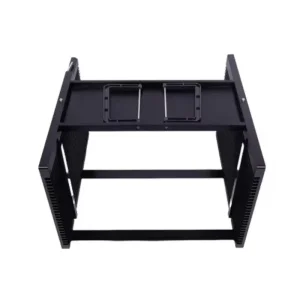
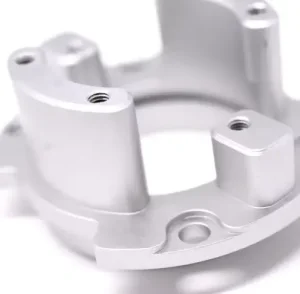
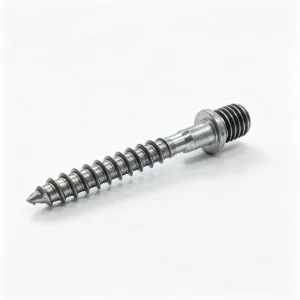
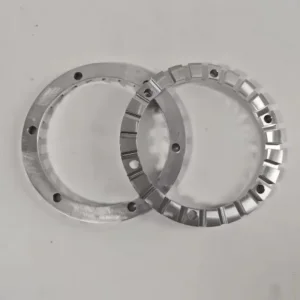
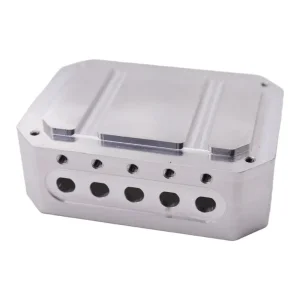
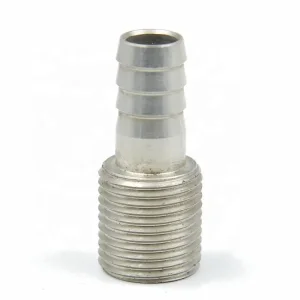
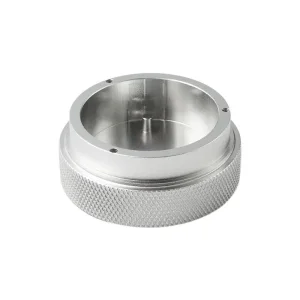
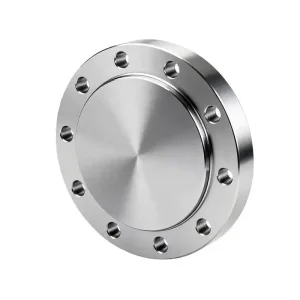
Expanded Hardware Inventory: Precision Engineered Castings & CNC Hardware
Explore our custom manufactured assemblies engineered for extreme industrial duty, semiconductor processing, aerospace enclosures, and high-frequency RF systems.
Frequently Asked Questions: Low Volume Molding & Tooling
Detailed technical answers to help engineering and sourcing professionals de-risk their bridge manufacturing programs.
What defines low volume molding versus rapid prototyping or mass production?
How does Sunmy keep initial tooling NRE costs so significantly lower than standard toolmakers?
Can low volume tooling run abrasive or high-temperature engineering plastics like PEEK and Glass-Filled Nylon?
How does Sunmy Hardware safeguard foreign intellectual property and 3D CAD data?
What quality control paperwork and verification documentation are delivered with shipments?
What is the typical lead time from final CAD sign-off to First Article Samples (T1)?
Initiate Your Low Volume Molding Program
Submit your 3D CAD (.STEP / .STP / .IGES) and 2D drawings. Our engineering team reviews mold parting lines, potential sink areas, draft angles, and tolerance stack-ups to provide a comprehensive DFM assessment and formal quotation within 24 hours.