
High-Precision Engineered Tooling Components
Explore our cross-disciplinary precision manufacturing components, custom tooling cores, manifolds, and high-frequency actuation hardware engineered for advanced rapid molding and automated production environments.
Engineering Rapid Injection Molding: Bridging Prototypes to Full-Scale Production
In modern concurrent product development, the traditional 10-to-16-week steel tool fabrication window represents a catastrophic time-to-market bottleneck. Custom rapid injection molding replaces high-inertia steel production paths with modular aluminum alloy systems (QC-10, Alumold 500) and pre-hardened steel tooling (P20, NAK80). This architecture compresses lead times down to 5–15 business days while maintaining the exact physical, chemical, and dimensional properties of production-grade thermoplastic parts.
Thermomechanical Velocity
Aluminum tooling exhibits thermal conductivity rates up to 4 to 5 times greater than standard tool steels (H13 or P20). By rapidly drawing heat out of the molten polymer resin, cooling cycles are slashed by 30% to 50%, mitigating internal thermal stress and preventing localized differential shrinkage in thick wall profiles.
Standardized MUD Base Systems
Our rapid tooling methodology uses precision Master Unit Die (MUD) modular base systems. By keeping standardized mold bases loaded on our high-tonnage all-electric injection presses, we machine only the custom core and cavity inserts, eliminating over 60% of traditional machining mass and reducing total customer capital risk.
Production Resin Integrity
Unlike additive manufacturing (SLA, SLS, MJF) which relies on brittle photopolymers or altered polyamides, rapid injection molding processes the authentic production-grade polymer: ABS, PC, PA66-GF30, PEEK, POM, and medical-grade TPU. This ensures authentic tensile modulus, chemical resistance, and UL94 flame-retardant compliance.
The Chinese Factory Advantage: Agile Supply Chains & Engineering Density
Operating from Shenzhen, the hardware innovation capital of the world, our rapid injection molding ecosystem converges specialized raw-material supply, sub-tier precision CNC finishing, wire EDM, texture etching, and rapid resin compounding within a single 30-kilometer logistical perimeter.
24/7 CNC High-Speed Machining
Direct ownership of multi-axis CNC high-speed machining centers equipped with 24,000–30,000 RPM spindles allows us to carve complex, hardened cores directly without waiting for outsourced mill queues.
Zero-Intermediary Direct Sourcing
Working directly with Sunmy Hardware eliminates external trading company markups, broker delays, and blurred accountability. Sourcing teams interact directly with mold engineers and tooling toolmakers.
Engineering Density & DFM
Every engineering package passes an automated and manual gate, runner, and cooling analysis within 24 hours. We evaluate draft, split lines, sink risk, and ejection pin locations upfront before steel is cut.
Global Cost Optimization
By blending optimized local Chinese supply chains for raw tool bases with world-class CMM metrology, Western OEMs capture 40% to 60% tooling CapEx reductions compared to local US or European providers.
Comparative Matrix: Rapid Tooling vs. Standard Production vs. 3D Printing
Evaluating trade-offs between unit cost, capital expenditure, mechanical isotropic performance, and lead times across low-to-mid volume manufacturing methodologies.
| Evaluation Parameter | 3D Printing (Industrial SLS/MJF) | Rapid Injection Molding (Sunmy) | High-Volume Production Steel Tooling |
|---|---|---|---|
| Tooling Initial CapEx | Zero Tooling Required | $1,500 – $6,500 (Modular System) | $18,000 – $100,000+ (Hardened Multi-Cavity) |
| First Article Lead Time | 2 – 4 Days | 5 – 10 Business Days | 10 – 16 Weeks |
| Part Unit Cost (1k–10k Units) | High ($8.00 – $35.00/ea) | Low to Moderate ($0.45 – $2.80/ea) | Ultra Low ($0.20 – $1.20/ea) |
| Mechanical Isotropy | Anisotropic (Z-axis shear weakness) | 100% Fully Isotropic Molecular Melt | 100% Fully Isotropic Molecular Melt |
| Available Polymers | Limited (PA11, PA12, Resins) | Thousands (ABS, PC, PBT, PEEK, TPU, PPS) | Unlimited Industrial Polymers |
| Surface Finishes | Granular / Stepped Layers | SPI A2 (Mirror Optical) to VDI 3400 (Texture) | Full Standard MoldFinishes Available |
| Design Iteration Agility | Instant CAD Update | High (Tool Modification in 48-72h) | Low / Cost-Prohibitive ECNs |
Macro Industrial Solutions: Transforming Global Sourcing Vectors
Rapid injection molding powers next-generation industrial devices, bridging the chasm between design verification and mass rollout for Fortune 500 equipment builders and tech startups alike.
Robotics & Autonomous Systems
Molded end-of-arm tooling components, articulated arm finger joint link casings, nylon cable carrier chains, and glass-filled polyamide drive-belt pulleys requiring tight dimensional repeatability, extreme impact strength, and low rotational inertia.
Automotive & Electric Vehicles
Under-the-hood fluid connectors, sensor retaining clips, BMS battery modular spacers, radar/LiDAR bezels, and lightweight structural brackets molded in PBT-GF20 or PPS to meet automotive UL flammability, vibration, and thermal cycling specifications.
Medical & Diagnostic Instrumentation
Microfluidic diagnostic cassettes, ergonomic surgical handle grips, biocompatible polypropylene fluid manifolds, and medical-grade PC monitoring enclosures requiring ISO 13485 compliant lot traceability, cleanroom molding, and USP Class VI verification.
High-End Electronics & IoT Housings
Thin-wall handheld enclosures, overmolded TPE tactile seals, internal antenna mounting chassis, and optical lens barrels where precise coaxiality, weld-line elimination, and zero electromagnetic interference shielding integration are paramount.
Fluid Control & Process Hydraulics
Reinforced pump impellers, solenoid valve coil housings, pneumatic quick-connect couplings, and filtration sleeves requiring strict geometric roundness, high burst-pressure thresholds, and complete chemical inertness in harsh industrial environments.
Aerospace & Drone Platforms
Carbon-fiber reinforced PEEK and Ultem (PEI) structural frame components, lightweight gimbal brackets, camera shrouds, and protective avionics shells built to withstand high g-forces, wide temperature swings, and severe aerodynamic turbulence.
DFM Optimization: Engineering Guidelines for High-Yield Molding
A successful rapid injection molding program depends on rigorous upfront Design for Manufacturability (DFM). By mitigating part stress, air traps, and sink defects during CAD design, we achieve predictable First Article Inspection (FAI) success on the initial press trial.
Nominal Wall Thickness Consistency
Maintain consistent wall thickness across the entire part envelope. Drastic changes in cross-section generate severe differential cooling rates, inducing residual stress and part warpage. Where thickness transitions are non-negotiable, integrate gradual 3:1 chamfers or transitional fillets.
Draft Angle Allocation
Adequate draft is critical for rapid mold release without drag marks or pin-punch deformation. We recommend a baseline of 1.0° to 1.5° per side for smooth SPI finishes. For textured surfaces (Mold-Tech or VDI 3400), allocate an additional 1.0° of draft per 0.025 mm of texture depth.
Rib-to-Wall Proportions
Reinforcing ribs provide structural stiffness without adding excessive bulk. However, rib base thickness should not exceed 50% to 60% of the adjacent nominal wall thickness. Exceeding this ratio causes volumetric contraction sink marks directly opposite the rib on cosmetic A-surfaces.
Gate Placement & Weld Line Control
Our engineers use Autodesk Moldflow to simulate polymer melt-front convergence. We position gates at the thickest cross-sections to maximize packing pressure and divert weld lines away from high-stress mechanical assembly zones or visual cosmetic faces.
Frequently Asked Questions: Global Sourcing & Engineering
Comprehensive answers addressing common questions regarding lead times, tooling guarantees, material certifications, and supply chain accountability.
How does Sunmy deliver rapid injection mold tooling in 5 to 10 business days?
We streamline the process by maintaining pre-machined, standardized Master Unit Die (MUD) mold bases in our Shenzhen plant. Instead of cutting an entire mold block from scratch, we machine only the cavity and core inserts using high-speed CNC milling and wire EDM. Direct in-house DFM reviews eliminate communication delays between engineering and our machine shop.
What is the typical tool life expectancy for rapid aluminum vs. pre-hardened steel tooling?
High-grade aluminum tooling (QC-10 or Alumold 500) reliably produces 5,000 to 10,000 shots for non-abrasive resins (ABS, PP, PC, POM). For abrasive, glass-fiber-reinforced polymers (e.g., PA66-GF30) or volumes up to 100,000+ parts, we machine pre-hardened P20 or NAK80 tool steels, ensuring tight tolerances across extended production runs.
Can you mold custom engineering resins with functional additives (GF, CF, Flame Retardants)?
Yes. Our injection presses handle a wide spectrum of engineering thermoplastics, including PEEK, PPS, PEI (Ultem), polycarbonate, and polyamides loaded with up to 50% glass or carbon fibers. We optimize barrel temperatures, utilize wear-resistant bimetallic screws, and apply localized mold heating to ensure uniform resin packing and fiber dispersion.
What dimensional inspection documentation is provided with First Article samples?
Every T1 sample batch includes a complete First Article Inspection (FAI) report generated using our coordinate measuring machines (CMM) and optical video measurement systems. We measure all critical drawing dimensions, GD&T callouts, raw resin mill test certifications, and RoHS/REACH compliance declarations before global dispatch.
How does Sunmy protect intellectual property (IP) and proprietary CAD data?
We enforce a strict IP security framework. Bilateral Non-Disclosure Agreements (NDAs) are signed before receiving any project files. All CAD data is hosted on encrypted, access-restricted internal networks, and we never outsource core cavity or insert files to third-party brokers. Sourcing teams interact directly with our factory.
What surface finishes can be applied to rapid injection molded parts?
We provide a comprehensive range of industry-standard surface finishes: SPI finishes from SPI A-2 (high-gloss diamond optical polish) to SPI C-1 (fine stone finish), and chemical etching equivalent to Mold-Tech MT textures or VDI 3400 EDM spark erosion scales (VDI 12 to VDI 36) for uniform matte and textured grips.
Complementary Precision Component Manufacturing
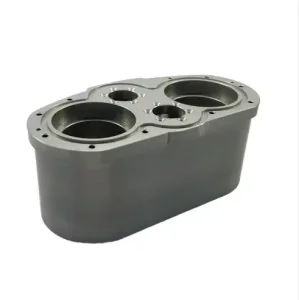
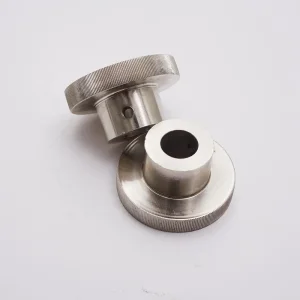
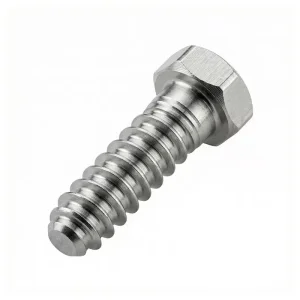
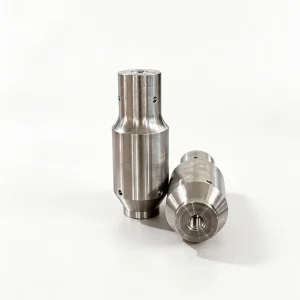
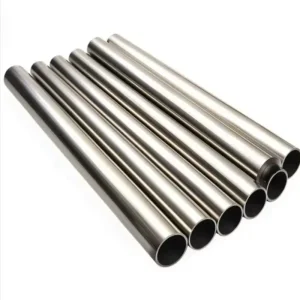
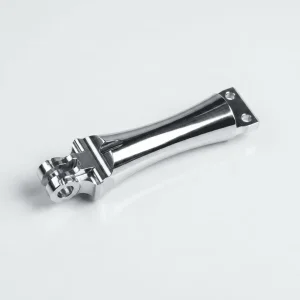
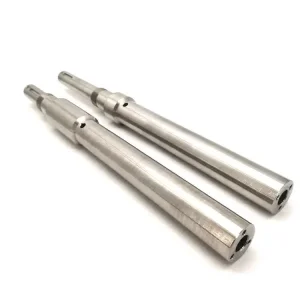
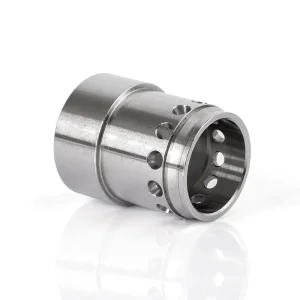
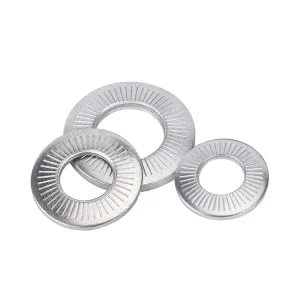
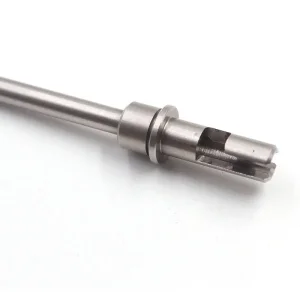
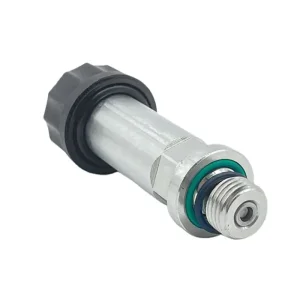
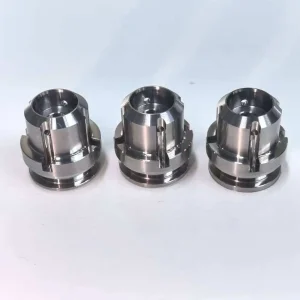
In addition to our custom rapid injection molding lines, our Shenzhen production floor delivers precision CNC turned, ground, and cold-formed components. These parts are ideal for overmolding inserts, threaded brass bushings, precision shafts, and fluidic hydraulic valves.
Accelerate Your Mold Build with Sunmy Hardware
Send your 3D CAD files (.STEP, .STP, .X_T, .IGES) along with 2D drawings. Our engineering team will return a comprehensive DFM manufacturability analysis and an itemized quote within 24 hours.
Request Comprehensive DFM & Quote