
Featured OEM / ODM Precision Products (Group A)
Explore our custom-engineered precision assemblies, micro-punch tooling sleeves, and multi-axis machined components built according to stringent aerospace, optical, and robotic GD&T specifications.
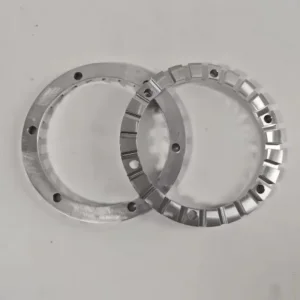
China Custom CNC Machined Anodized Sealing Rings for Semiconductor & Optical Instruments Factories, Factory
View Specifications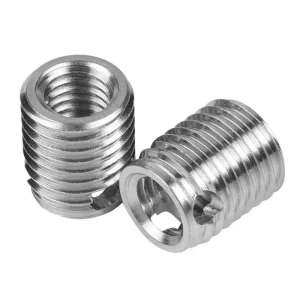
Custom Custom Self-Tapping Threaded Inserts Product, Exporters
View Specifications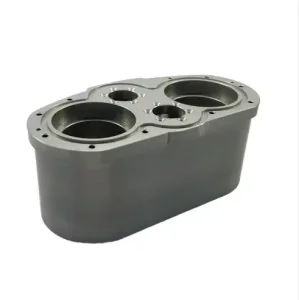
Custom Factory Custom 5-Axis CNC Machined Steel & Aluminum Universal Joint Base and Gearbox Shell for Robotics & Drone Industry Products, Exporters
View Specifications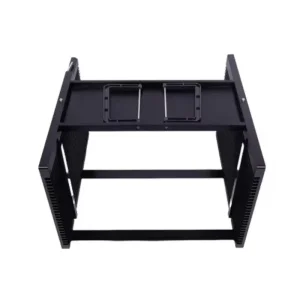
OEM Premium 8-Inch CNC Machined Aluminum Semiconductor Wafer Carrier Factories, Quotes
View Specifications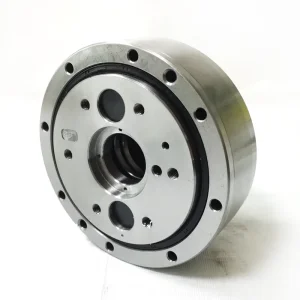
ODM Custom Hollow-Shaft Cycloidal Reducer | OEM Parts & Assembly Product, Exporters
View Specifications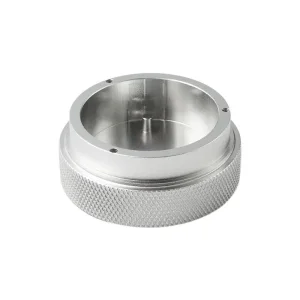
High-Quality Premium Custom CNC Machined Aluminum Control Knobs Manufacturer, Exporters
View Specifications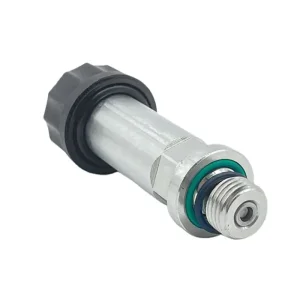
Custom High-Performance Hydraulic Solenoid Valve Core – Precision CNC Turned Excavator Spare Parts Service, Exporters
View Specifications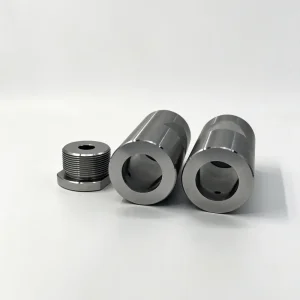
China Custom CNC Turned Tooling Sleeves & Threaded Retaining Plugs Products, Exporter
View SpecificationsMetal Punching Industry Trends & Next-Gen Manufacturing Dynamics
In contemporary advanced manufacturing, sheet metal punching and progressive stamping have transitioned from conventional mechanical shearing into sensor-governed, servo-electric, and cyber-physical processing ecosystems.
High-Speed Servo-Electric Stamping
Modern progressive punching replaces hydraulic dead-stops with high-torque AC servo drives. This empowers programmable stroke velocity profiles, dwell times at bottom dead center (BDC), and controlled deceleration. The result is a 45% reduction in punch shear vibrations, micro-fracture elimination in sensitive alloys, and significant prolongation of tungsten carbide die life.
Advanced Ultra-High Strength Steels (UHSS)
Automotive lightweighting and renewable power components increasingly require metal punching of DP980, QP1180, and specialized spring steels. Overcoming shear-edge cracking, high springback tendencies, and severe galling requires physical vapor deposition (PVD) titanium aluminum nitride (TiAlN) coatings, optimized die clearances (12%-18%), and closed-loop pressure pad monitoring.
In-Die Acoustic & Vision Sensing (IIoT)
To support lights-out production, ODM punching presses incorporate piezoelectric acoustic emission sensors and in-die gigabit industrial vision cameras. Automated sorting mechanisms detect slug-pulling events, hairline shearing burrs greater than 0.02 mm, and micro-punch fractures within milliseconds, halting the progression before defective batches can propagate.
Deconstructing Global Procurement Needs: What Sourcing Directors Demand
When global enterprise buyers across North America, Europe, and Asia evaluate ODM metal punching partners, their selection matrix extends far beyond low cost per punch. Engineering risk mitigation, programmatic continuity, and statistical process stability dominate the qualification rubric.
1. Critical Geometric Tolerance Stackup & Flatness Retention
Punching induces severe localized shear stresses that manifest as curling, dishing, and oil-canning across wide metal webs. Enterprise buyers mandate sub-0.05 mm cumulative positional tolerance across hundreds of punched apertures, coupled with total flatness retention without relying on manual leveling. Sunmy resolves this through finite element punch strip layout simulation and balanced multi-station counter-forming stations.
2. Burr Height Control & Micro-Radiusing
For high-voltage busbars, electrical stator laminations, and medical micro-connectors, excessive rollover burrs trigger dielectric breakdown or terminal misalignment. Global procurement criteria typically limit burrs to less than 5% to 8% of sheet thickness (often under 0.015 mm). Our closed-loop die clearances, carbide punch guides, and vibratory deburring processes guarantee razor-sharp fidelity and smooth edge margins.
3. Tooling Amortization, Longevity & Maintenance Guarantees
Contractual commitments on tooling uptime represent a chief concern. Tier-1 OEMs demand transparent tool life guarantees exceeding 1,000,000 to 5,000,000 cycles. We provide dedicated tooling storage, computerized die sharpening logs, spare punch inserts ready on demand, and modular sub-plate designs that allow rapid replacement of high-wear punch pins in under 20 minutes.
4. Multi-Process Turnkey Consolidation
Modern supply chains aggressively eliminate tiered subcontracting. Sourcing directors favor partners capable of executing metal punching, Swiss precision turning, secondary CNC mill-finishing, robotic welding, heat treatment, and surface passivations within a unified quality framework. By eliminating intermediate broker markups and transportation lags, overall procurement cycles compress by 35%.
Holistic Technical Solutions for High-Precision Industry Sectors
Sunmy Hardware operates as an accountable engineering partner, designing purpose-built metal stamping, punching, and CNC integration architectures mapped to mission-critical applications.
Semiconductor & Optoelectronics
Carrier trays, wafer handling frames, and optical mounting assemblies require cleanroom-compatible metal punching combined with secondary CNC fly-cutting and micro-arc oxidation. We eliminate particulate contamination through ultrasonic vapor degreasing and deliver non-magnetic, corrosion-resistant housings with surface roughness down to Ra 0.4 µm.
Robotics & Autonomous Drones
Lightweight 6061-T6 and 7075 aerospace aluminum structural brackets, cycloidal reducer housings, and multi-axis joint plates require weight reduction pocketing paired with structural rigidity. Sunmy executes precision progressive blanking followed by 5-axis CNC true-position finish profiling to keep rotational backlash under 1 arc-min.
Electric Vehicle Powertrain & Energy Storage
Automated high-speed stamping of electrical steel stator/rotor laminations (silicon iron) and pure copper battery busbars. We maintain burr heights below 10 µm across high-speed progressive runs exceeding 400 strokes/min, followed by automated laser welding, selective nickel/tin plating, and dielectric epoxy overmolding.
| Manufacturing Attribute | Conventional Subcontract Stamping | Sunmy Integrated ODM Metal Punching | Procurement Value Advantage |
|---|---|---|---|
| Punch Hole Tolerance | ±0.05 mm – ±0.10 mm | ±0.005 mm – ±0.012 mm | Eliminates reaming & secondary CNC bore finishing |
| Burr Height Standards | <10% Sheet Thickness | ≤3% – 5% Sheet Thickness (<0.01 mm) | Prevents insulation rupture & terminal shorting |
| Strip Layout Optimization | Generic 2D CAD drafting | 3D Dynaform / AutoForm FEA Simulation | Saves 18%–28% raw strip material scrap costs |
| Quality Documentation | Generic Certificate of Conformance (CoC) | Full PPAP Level 3, FAI, CMM 3D & XRF Certs | Direct pass-through for aerospace & medical audits |
| Tooling Maintenance SLA | Customer billed for wear & tear | Lifetime In-House Die Maintenance Included | Fixed Capex with zero unexpected refurbishment costs |
Localized Global Support, Intellectual Property Protection & Compliance
Operating from our Shenzhen manufacturing center founded in 2016, Sunmy provides seamless engineering alignment, rigorous legal IP isolation, and multi-jurisdictional compliance protocols for international procurement groups.
Enforceable Non-Disclosure & IP Isolation
Customer CAD geometry and proprietary dies represent critical trade secrets. Sunmy signs enforceable bi-lingual NDAs before any STEP or DWG transfer. Customer CAD data is hosted on air-gapped local encrypted servers, prohibiting third-party broker dissemination and guaranteeing total digital sovereignty.
Material Traceability & Environmental Auditing
Every shipment is backed by authenticated mill test certificates (MTC 3.1) showing batch chemical composition, tensile yield, and elongation. All surface platings, passivations, and coatings undergo internal X-ray fluorescence (XRF) screening to certify full compliance with RoHS 3 (EU 2015/863) and REACH (EC 1907/2006).
Incoterms Flexibility & Buffer Warehousing
We accommodate diverse shipping mandates including DDP (Delivered Duty Paid), CIF, and FOB Shenzhen/Hong Kong. To buffer against international maritime bottlenecks, we maintain custom Kanban consignment inventories and safety stock programs in climate-controlled logistics hubs.
Technical Roadmap: Forward-Looking Stamping & Punching Technologies
Anticipating emerging thermal management challenges, microminiaturization, and carbon border adjustments, our engineering laboratory executes aggressive technical development programs.
Ultrafine Micro-Punching
Development of carbide micro-punch tooling capable of stamping hole diameters down to 50 µm in ultra-thin titanium and stainless foils (t = 0.02 mm) for hydrogen fuel cell bipolar plates and biomedical filtration meshes.
Closed-Loop Optical Metrology
Direct integration of high-speed telecentric line-scan vision systems directly inside stamping die matrices. 100% real-time measurement of punched pitch diameters at 600 strokes/min with instant autonomous die clearance adjustments.
Hybrid Additive-Punch Dies
Production of high-durability progressive dies incorporating 3D laser powder bed fusion (LPBF) conformal cooling channels inside punch heads, mitigating localized thermal accumulation when processing thick high-nickel alloys.
Near-Zero Carbon Sheet Metal
Integration of low-embodied-carbon recycled aluminum coils and green hydrogen-smelted silicon steel, backed by complete ISO 14067 Product Carbon Footprint (PCF) digital product passports for direct EU CBAM compliance.
Frequently Asked Questions (FAQ) for Sourcing Managers
In-depth technical answers addressing manufacturability, tooling economics, alloy selection, and quality governance for custom precision metal punching contracts.
What geometric tolerances can Sunmy reliably hold on custom metal punched features?
For precision progressive metal punching and fine blanking operations, Sunmy routinely holds feature-to-feature center distances and pitch tolerances to ±0.005 mm (5 microns) under climate-controlled stamping conditions. Aperture hole diameters are held within ±0.008 mm depending on material thickness, tensile strength, and alloy hardness.
For secondary CNC post-machined features (such as bearing bores, O-ring sealing grooves, and dowel locating holes in thick stampings), we verify true positional concentricity within ±0.005 mm using our in-house Zeiss coordinate measuring machines (CMM).
How does Sunmy mitigate punch wear, burr height, and slug-pulling issues?
Slug-pulling and burr propagation are the two most prevalent failure modes in sheet metal punching. Sunmy prevents these issues through a multi-tiered engineering approach:
- Engineered Die Clearances: We precisely calculate punch-to-die clearance between 7% and 14% of sheet thickness based on material shear-strength FEA models, preventing double shear rings and severe burr emergence.
- Anti-Slug Design Geometry: Punches are engineered with spring-loaded ejector pins, vacuum suction assist ports beneath the die bed, or rooftop/shear-angle cutting faces that mechanically prevent slugs from sticking to the punch face.
- Advanced Tool Coatings: All micro-punches and cutting inserts utilize hardened ASP-23, Vanadis 4, or sub-micron tungsten carbide coated with TiAlN or DLC (Diamond-Like Carbon) to resist adhesive galling.
Which operations are maintained strictly in-house versus partner facilities?
To deliver uncompromising quality ownership, Shenzhen Sunmy Hardware owns and directly operates its high-precision CNC machining centers (3, 4, and 5-axis), Swiss-type turning lathes, and precision sheet metal stamping/punching facilities in Shenzhen. Casting (die casting, investment casting) and bulk surface finishing (electropolishing, automated anodizing, powder coating) are performed by ISO-certified partner plants under our direct supervision.
Crucially, 100% of final quality control, first article metrology, CMM dimensional verification, spectrographic material analysis, and export packaging are conducted in-house by Sunmy quality engineers before any crate departs Shenzhen.
What engineering documentation accompanies global shipments?
Every overseas shipment is accompanied by a comprehensive quality dossier designed to clear customs and pass customer receiving audits without friction:
- Full First Article Inspection (FAI) reports mapped to ballooned 2D engineering drawings.
- Batch CMM dimensional inspection logs with statistical Cp and Cpk values (maintaining Cpk > 1.67 on critical-to-quality dimensions).
- Original raw material test certificates (MTC 3.1) showing metallurgical chemical analysis and tensile/yield stress test results.
- RoHS 3 and REACH chemical compliance certifications verified by internal XRF testing.
- Surface finish measurement reports detailing coating thickness (anodizing microns, plating thickness) and surface roughness (Ra/Rz).
How does Sunmy assist clients during initial prototyping before committing to progressive tooling?
Progressive die tooling requires significant capital allocation ($5,000 to $50,000+). To protect our clients, we deploy a staged prototype validation pathway. We utilize fiber laser cutting, wire EDM, precision CNC turret punching, and modular stage bending dies to produce functional pre-series prototypes (10 to 1,000 units) from the exact production alloy.
This allows your mechanical engineering team to conduct physical fit checks, structural stress tests, and environmental validations before cutting steel for multi-station progressive stamping tools.
What are standard tooling lead times and first article approval timelines?
Standard lead times across typical project stages include:
- DFM & Tooling Strip Layout: Completed within 24 to 48 hours following CAD submission.
- Rapid Prototyping (Laser/EDM/CNC): 5 to 7 business days.
- Progressive Stamping Tool Fabrication: 20 to 35 business days depending on die complexity and number of stations.
- T1 First Article Samples with FAI Report: Dispatched via air express (DHL/FedEx) within 3 business days following mold completion.
- Mass Production Cycle: 2 to 3 weeks upon receipt of written FAI golden sample sign-off.
Featured OEM / ODM Precision Products (Group B)
Review our turned sleeves, titanium medical hardware, knurled drive shafts, and high-tolerance optical brackets engineered to complement custom metal stamping and assembly programs.
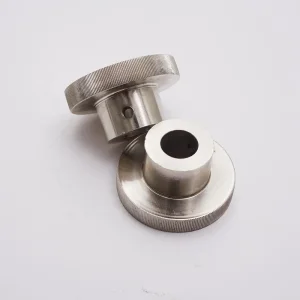
High-Quality CUSTOM CNC KNURLED FEED ROLLERS FOR PACKAGING MACHINERY Products, Factories
View Specifications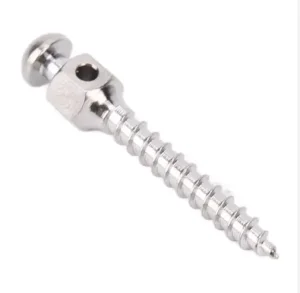
China Custom Precision Titanium Orthodontic Micro Implant Screws Manufacturers, Factories
View Specifications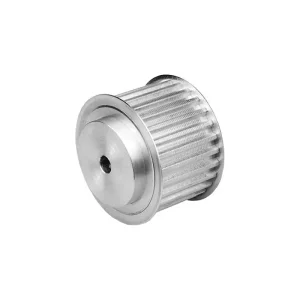
OEM Custom CNC Machined HTD 3M Aluminum Timing Belt Pulley Supplier, Products
View Specifications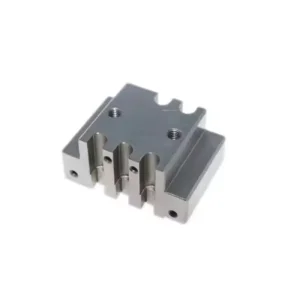
ODM OEM Precision CNC Machining Aluminum Parts & Custom Industrial Components Exporters, Quotes
View Specifications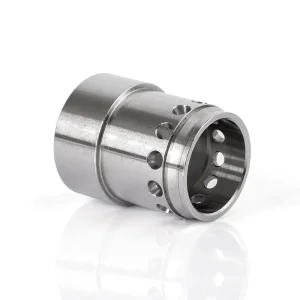
ODM Custom CNC Precision Turned Stainless Steel Filter Sleeve (OEM/ODM Industrial Grade) Manufacturer, Manufacturers
View Specifications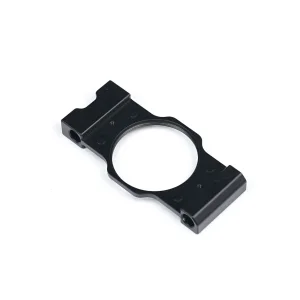
OEM Custom CNC Machined Aluminum Optical Lens Mounting Bracket (Matte Black) Service, Products
View Specifications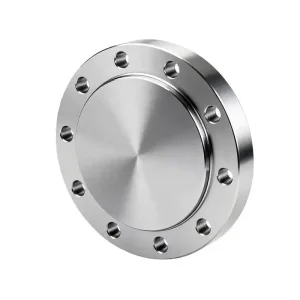
China OEM Precision CNC Machined Stainless Steel Flanges Suppliers, Exporter
View Specifications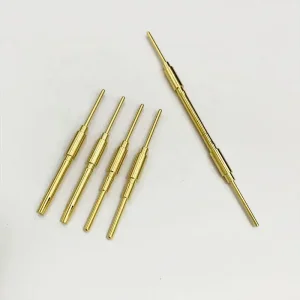
ODM Custom CNC Turned Contact Pins & Test Probe Components Manufacturer, Exporters
View SpecificationsReady to Transition Your Punched Components into Stable Series Production?
Submit your 2D prints and 3D CAD models directly to our tooling engineering desk. You will receive comprehensive DFM feedback, strip layout evaluations, and transparent factory quotations within 24 hours.