High-Performance Components & Integrated Assemblies
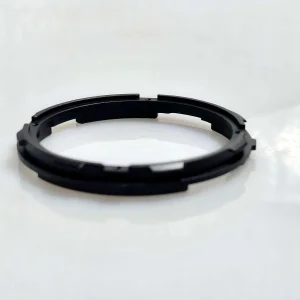
Explore our turnkey manufacturing capabilities spanning high-precision optical polymer tooling, metal inserts, and tight-tolerance hybrid assemblies.
The Evolution of Precision Acrylic (PMMA) Injection Molding
Transitioning from commodity lighting diffusers to mission-critical optical wave-guides, diagnostic bio-chips, and LiDAR sensor protective arrays.
Polymethyl Methacrylate (PMMA), colloquially designated as acrylic, represents one of the most mechanically and optically demanding polymers utilized in modern industrial injection molding. Historically limited to cosmetic fascias and rudimentary light guides, rapid advancements in autonomous vehicles, AR/HUD displays, and microfluidics have transformed acrylic injection molding into an ultra-precise science requiring micro-machined tooling, class-10,000 cleanroom environments, and real-time process monitoring.
Unlike standard engineering polyolefins, acrylic is inherently hygroscopic and exhibits an amorphous molecular architecture with high melt viscosity and extreme shear sensitivity. Achieving defect-free PMMA components—free from internal stress birefringence, silver streaking, sink marks, or microscopic voids—requires an empirical understanding of thermomechanical viscoelastic behavior and dynamic cavity pressure management.
LiDAR & Vision Systems
Autonomous mobile robots (AMRs) and ADAS systems demand custom PMMA external shells with near-infrared transmission rates above 90% at 905nm and 1550nm, combined with scratch-resistant poly-siloxane hard coatings.
Microfluidic Diagnostic Consumables
Next-generation in-vitro diagnostics (IVD) utilize injection-molded acrylic chips engineered with sub-100-micron channels, demanding zero autofluorescence under UV light and ultra-planar sealing characteristics.
Hybrid Insert & Metal Integration
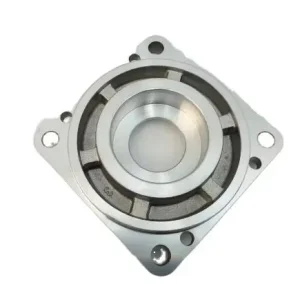
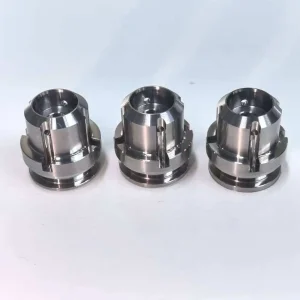
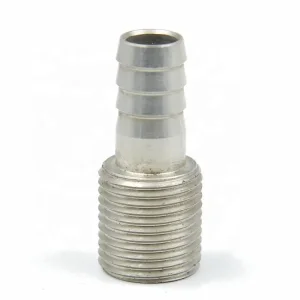
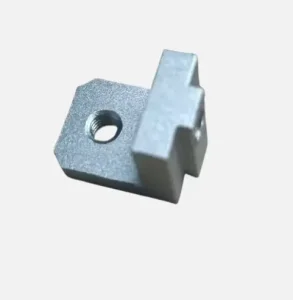
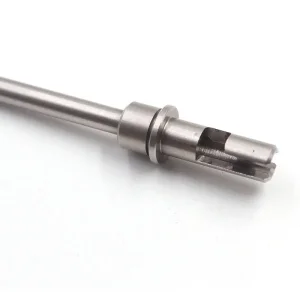
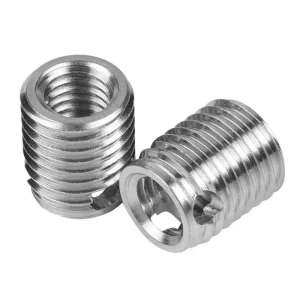
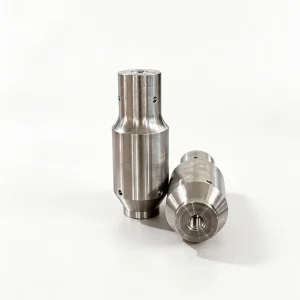
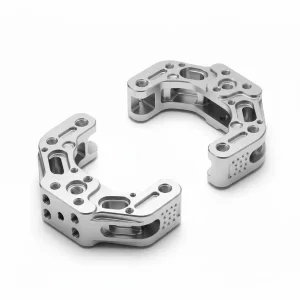
Direct overmolding of turned brass sleeves and CNC-machined structural aluminum brackets into precision PMMA enclosures, eliminating secondary mechanical fastening while maintaining hermetic environmental seals.
Navigating Global OEM Sourcing Criteria
How Tier-1 system integrators and procurement engineers address supply-chain vulnerability, yield attrition, and strict dimensional verifications.
Mitigating Birefringence & Residual Stress
Optical buyers often reject parts during polariscopic inspection due to localized frozen-in shear stresses. We utilize Moldflow simulation to engineer variable wall thicknesses, conformal cooling channels, and multi-stage packing profiles that keep optical phase deviation under 10nm.
Eliminating Moisture Voids & Bubbles
Because PMMA absorbs up to 2.0% atmospheric moisture, inadequate resin preconditioning results in microscopic internal degassing. Sunmy employs desiccant dehumidifying hoppers operating at a -40°C dew point for 4-6 hours prior to molding, ensuring pristine internal integrity.
Tooling Steel Selection for PMMA
Acrylic melt is prone to minute acid vapor release during extended cycle runs. Standard tool steels degrade rapidly, inducing haze. We utilize premium electroslag remelted (ESR) stainless steels (Stavax ESR or S136) hardened to 52-54 HRC to preserve SPI A-1 optical mirror finishes over millions of cycles.
Engineering Grade Comparison: Acrylic (PMMA) vs. Competitive Clear Polymers
Analytical selection benchmark for mechanical engineers balancing optical clarity, impact resistance, thermal tolerance, and tooling cost.
| Performance Parameter | Optical Grade PMMA (Acrylic) | Polycarbonate (PC) | Cyclic Olefin Copolymer (COC) | MABS / Clear ABS |
|---|---|---|---|---|
| Light Transmission (380-780nm) | 92% – 93% (Highest Optical Transmittance) | 88% – 90% | 91% – 92% | 85% – 89% |
| Refractive Index (nD @ 20°C) | 1.491 – 1.493 (Stable) | 1.586 (High chromatic aberration) | 1.533 (Low dispersion) | 1.518 |
| Haze Factor (%) | < 0.5% (Crystal Clarity) | 0.8% – 1.5% | < 0.8% | 1.5% – 3.0% |
| Abbe Number (Dispersion) | 58 (Superior True-Color Fidelity) | 30 (Pronounced Fringing) | 56 (Excellent for Optics) | 35 |
| Surface Hardness (Rockwell M) | M90 – M100 (Scratch Resistant) | M70 – M75 (Requires Hard Coating) | M85 – M90 | M65 – M75 |
| UV Degradation Resistance | Inherently UV Stable (>10 Yrs Outdoor) | Prone to Yellowing (Needs Stabilizer) | Moderate Stability | Poor Outdoor Weathering |
| Primary Industrial Use Cases | Waveguides, Instrumentation, HUD, Lenses | Impact Shields, Auto Headlights, Bulletproof | Microfluidics, Bio-Cuvettes, Medical | Consumer Housing, Transparent Bezels |
Compliance, Quality Governance & Export Verification
Direct communication with Shenzhen engineering leadership. No broker markups, zero IP dilution, and transparent documentation per batch.
ISO 9001:2015 & Cleanroom QC
Every acrylic molding program follows standard operating procedures from lot-controlled resin dehumidification to automated robotic extraction. Critical optical assemblies are packaged in HEPA-filtered clean enclosures to avoid particulate contamination.
FAI, CMM & Spectrophotometry
Sunmy executes 100% First Article Inspection (FAI) with in-house Zeiss CMMs, surface profilometers (Ra < 0.025µm), and spectral transmission testing to guarantee optical compliance prior to container loading.
Full RoHS, REACH & Conflict Mineral Audits
Full material safety data sheets (MSDS), certificates of conformance (CoC), and raw resin batch traceability reports are systematically archived and submitted alongside every production shipment.
Engineering Roadmap: 2026–2030 Acrylic Molding Frontiers
Deploying advanced process technologies to push the physical boundaries of thickness, cycle time, and nanometer-scale surface replication.
Variotherm Dynamic Tool Heating
Induction-based rapid cavity temperature cycling. By heating the mold steel above the PMMA glass transition temperature (Tg ~105°C) during injection and flash-cooling prior to ejection, weld-lines and surface micro-imperfections are 100% eliminated.
Injection-Compression Molding (ICM)
Decoupled cavity volume management for thick-cross-section optics (>15mm). By slightly opening the mold platen during injection and applying a secondary compression stroke, internal pack-pressures are evenly distributed, achieving zero sink marks.
Sub-Wavelength Nano-Imprinting
Direct replication of anti-reflective moth-eye nanostructures directly within the injection tool cavity. Eliminates post-molding AR coating operations, delivering >97% visible light throughput directly from the mold tool.
Frequently Asked Questions on Custom Acrylic Molding
Key technical explanations provided directly by Sunmy manufacturing engineers for sourcing managers and design professionals.
How does Sunmy prevent sink marks and internal voids in thick acrylic components?
What mold steel is recommended for long-run optical acrylic production?
Can metallic threaded inserts or CNC pins be insert-molded directly into acrylic?
What post-processing surface treatments are supported for molded acrylic?
How fast can Sunmy deliver prototypes and production tooling for review?
Precision Turned, Machined & Integrated Product Range
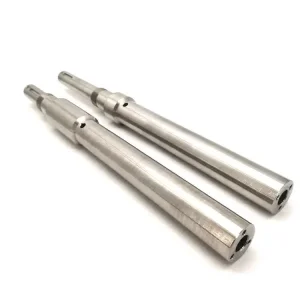
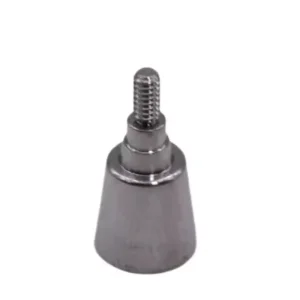
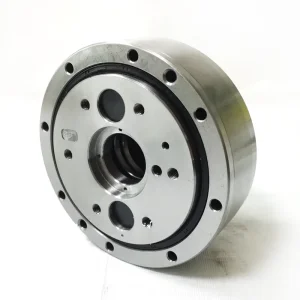
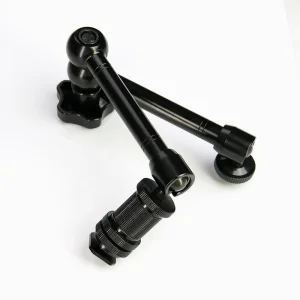
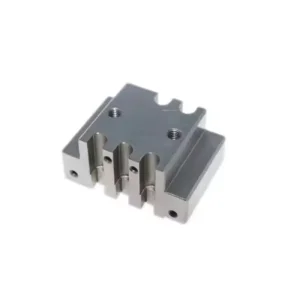
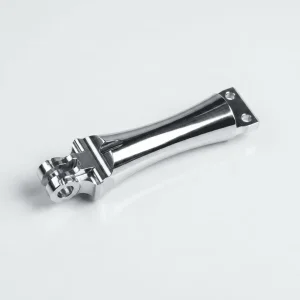
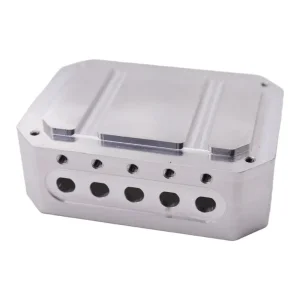
Complementary precision hardware components manufactured directly in our Shenzhen facilities with documented batch traceability.